

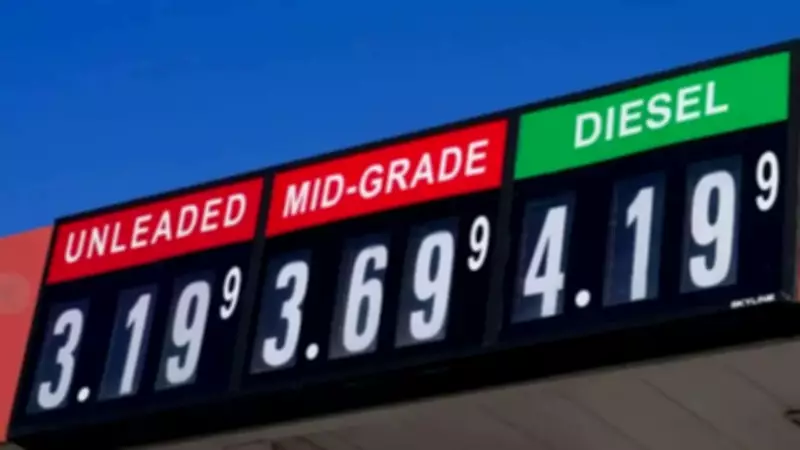
US Fuel Prices Skyrocket Following Military Strikes on Iran
The national average price of gasoline in the United States has climbed sharply to approximately USD 3.48 per gallon this week, marking a significant increase from around USD 2.90 per gallon just one month ago. This surge comes directly in the wake of military strikes launched by the United States and Israel against Iran, which began on February 28. The conflict has triggered widespread anxiety and anger among American consumers, who now face the direct economic impact of a distant war every time they fill their vehicles.
Geopolitical Conflict Hits American Household Budgets
Across the nation, motorists are expressing deep frustration that a conflict thousands of miles away is now squeezing household budgets already strained by persistently high living costs. For many voters, the issue transcends political strategy debates, translating into tangible financial pain at the pump.
"I thought that he was going to bring some of those things back," said Francisco Castillo, a 43-year-old factory worker from Iowa who voted for former President Donald Trump in the last election, while standing beside his son's pickup truck at a gas station. "He said he was going to bring gas down, but the war in Iran is now making everything worse."

Castillo's sentiment reflects a broader concern among ordinary Americans who feel left paying the bill for geopolitical decisions. "They do what benefits them," he added. "I have to go to work every day no matter what." This rising cost of fuel serves as a stark reminder that international conflicts can rapidly escalate into higher everyday expenses for citizens.
Why Are Gasoline Prices Soaring?
The dramatic increase in US fuel prices is directly linked to a sharp jump in global oil prices since the conflict commenced. Crude oil prices have surged from approximately USD 67 per barrel before the war to nearly USD 100 per barrel, with Brent crude briefly crossing the USD 100 mark—the highest level in about four years.
Energy markets have been severely rattled, primarily due to disruptions around the Strait of Hormuz, a narrow but critically important shipping route in the Gulf through which nearly 20 percent of the world's oil supply passes. Maritime traffic through this vital waterway has slowed dramatically amid fears of further escalation, raising serious concerns about potential global supply shortages.
Furthermore, the conflict has affected shipments of natural gas and other essential commodities like fertilizer, amplifying fears of wider economic ripple effects throughout global markets. Energy analysts warn that if the conflict persists, prices could climb even higher, potentially pushing US gasoline toward $4 per gallon in the coming weeks.
American Consumers Feel the Pinch Immediately
At gas stations nationwide, drivers report that the price increases are already forcing difficult spending decisions. In Pennsylvania, Kathryn Price Engelhard, a 70-year-old retiree living on a fixed income, stated she is now buying fuel much more cautiously.
"I look at the prices of oil in the past and the stupid war, how did we—how did anybody—think that that was not going to impact oil?" she questioned. "Of course it's impacting oil." Many others expressed having little choice but to pay whatever the current price demands, though some electric vehicle owners noted the price spike has reinforced their decision to transition away from gasoline-powered cars.
Political Response and Mounting Criticism
Facing mounting criticism over the rising fuel costs, former US President Donald Trump has asserted that the price spike would be temporary while defending the military action against Iran. Trump described the conflict as necessary to eliminate a security threat and insisted oil prices would decline once hostilities conclude.

On Tuesday, he announced steps aimed at easing pressure on energy markets, stating, "We're also waiving certain oil-related sanctions to reduce prices. We're going to take those sanctions off till this straightens out." Simultaneously, Trump issued a stern warning to Iran against attempting to block global oil supplies, threatening a "much, much harder level" of response if such actions were taken.
The former president has argued the price surge represents a "short-term" consequence of the conflict that will reverse once stability returns. However, the spike is rapidly emerging as a significant political issue ahead of the US midterm elections later this year.
A recent poll indicates that more than half of US voters oppose the military action against Iran, while approximately three-quarters express concern that the conflict will continue driving up fuel prices, highlighting the direct connection between foreign policy and domestic economic anxiety for American citizens.





