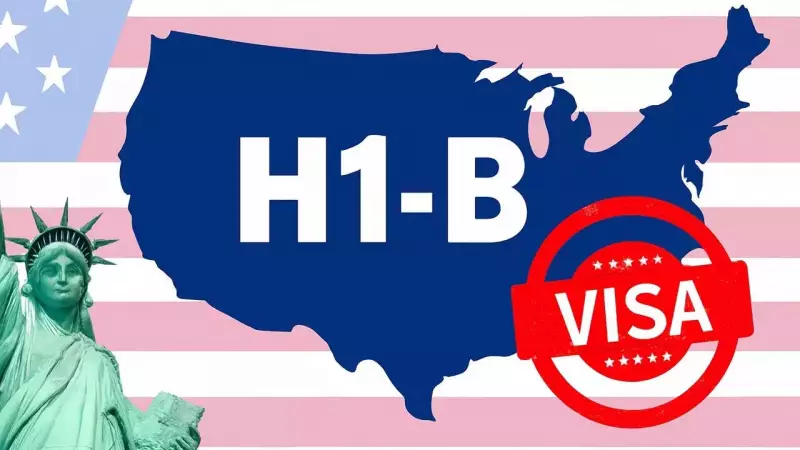
H-1B Visa Delays Leave Indian Professionals Stranded and Stressed
Indian professionals holding H-1B visas are facing a new crisis. Many who traveled to India for visa renewals now find themselves stranded. They cannot return to the United States due to significant delays in visa stamping. This situation creates serious problems including potential job loss, salary reductions, and unexpected tax bills.
Stricter Scrutiny Causes Processing Backlogs
The Trump administration has tightened immigration rules. Officials now scrutinize applicants' social media activity more closely. This extra check has led to much longer processing times for visa renewals. Immigration experts confirm that interview appointments are being pushed back to March, April, or even later. For employees at smaller firms and startups, this uncertainty puts their jobs at direct risk.
The Hidden Threat of Indian Income Tax
An extended stay in India carries a major financial risk. Professionals who remain in the country beyond certain time limits may become liable to pay Indian income tax. According to tax experts, if an H-1B holder stays for 182 days or more in a financial year, India treats them as a tax resident. This adds a substantial and unexpected financial burden on individuals already dealing with lost income.

"If employees of US companies need to spend time in India, there could be potential tax implications for both the employees and their US employers that need careful evaluation," said Parizad Sirwalla of KPMG.
US Companies Scramble for Solutions
American employers with stranded staff are actively seeking answers. They are consulting immigration lawyers, tax specialists, and professional service firms. Some companies are even approaching US embassies and consulates directly. Their goal is to secure earlier interview slots for their valuable employees.
To keep business running, some firms have allowed limited remote work from India. Others have temporarily moved staff to their Indian subsidiaries. However, this is not a simple fix.
"The question of H-1B professionals continuing to work remotely from India during visa stamping delays is being addressed through legally cautious, interim arrangements rather than any settled legal position," explained Tanmay Banthia of Taraksh Lawyers and Consultants.
Remote Work Creates New Legal and Tax Headaches
Allowing work from India requires a complex legal assessment. Employers must determine if an employee's activities in India could create corporate tax exposure for the US company. Pay arrangements during this period also vary widely, guided by individual contracts and company policies.
Legal expert Ankita Singh notes that US employers are now more focused on compliance risks and potential tax liabilities than on immigration issues when permitting remote work from India.
The Human Cost: Jobs, Families, and Finances Under Strain
The delays are taking a severe personal and financial toll. Some US firms, especially smaller ones without legal resources, have asked affected employees to resign or take unpaid leave. In other cases, companies have issued ultimatums.
"There are instances where firms in the US have given an ultimatum to employees to join back once they exhaust their paid leaves or face termination," said Sukanya Raman of Davies & Associates.
Families are being separated, with one spouse or children often remaining in the US. These families continue to pay American living costs like rent and car leases, even as the primary income is reduced or stops entirely. A range of HR challenges has emerged, including performance assessment difficulties, restrictions on core job duties, and issues with insurance coverage during overseas stays.
Increased Scrutiny at US Ports of Entry
The problems do not end with getting a visa stamp. Immigration specialists report that H-1B holders now face tougher questions when trying to re-enter the United States. Some have been denied entry over concerns about unauthorized remote work performed while abroad.
"Prolonged periods spent outside the US—nearing six months—can invite questions at the port of entry about whether the individual has effectively disengaged from US employment," said Keshav Singhania of Singhania & Co.

The situation remains fluid and stressful for thousands of Indian professionals caught between two countries' immigration and tax systems. They await clarity and solutions as delays continue.