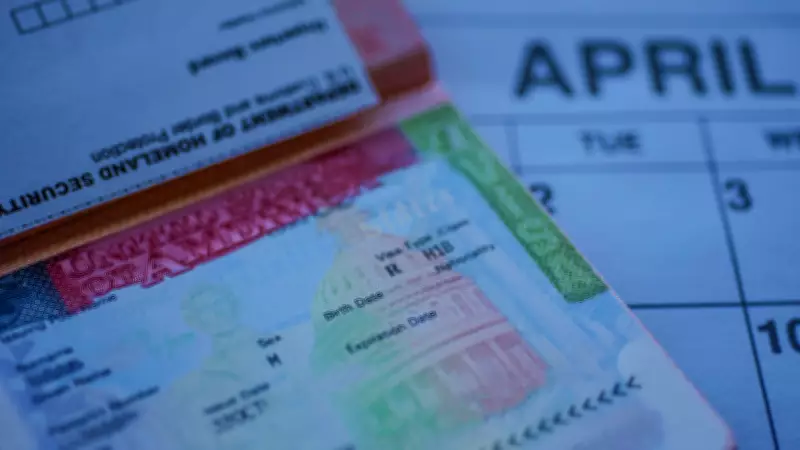
H-1B Visa Side Hustles Under Fire in Texas Over Alleged Illegal Home Kitchen Businesses
Amid increasing scrutiny of H-1B visas in the United States, particularly in Texas, social media posts have recently highlighted allegations of visa holders operating home kitchen businesses illegally. According to these reports, individuals on H-1B and their dependents on H-4 visas are engaging in small-scale catering services through closed Facebook or WhatsApp groups, evading public oversight.
Strict Legal Restrictions on Visa Holder Employment
U.S. immigration laws impose stringent limitations on H-1B visa holders, who are authorized to work solely for the specific employer that sponsored their petition and within the defined specialty occupation. Any additional employment, including freelancing, gig economy roles like driving for Uber or DoorDash, consulting, independent contracting, or running a side business that involves active work, is considered unauthorized by U.S. Citizenship and Immigration Services (USCIS). This extends to content creation or coding gigs, even if the income is minimal or clients are based outside the U.S.
Passive income sources such as investments, stocks, or rentals are permitted, provided they do not require the visa holder's active participation. H-4 visa holders with Employment Authorization Documents (EAD) may own and operate businesses, but they must comply with all other applicable laws.

Case in Point: North Indian Cuisine Catering in McKinney
One specific post cited an Indian woman in McKinney, Texas, offering North Indian cuisine for small parties and events, with a minimum order for 12 to 15 people. The allegations point out that this operation is illegal under McKinney's local regulations, which require a food establishment permit, regular inspections, and prohibit hot meal catering from residential kitchens.
The situation presents a dual legal violation:
- If the individuals are on H-1B or H-4 visas, they are engaging in unauthorized employment.
- Even if they are not visa holders, Texas Cottage Food Law only permits the production of baked goods in residential kitchens—not hot meals like those being offered.
Broader Implications and Enforcement Challenges
These allegations underscore the complexities of immigration compliance and local business regulations. The clandestine nature of these operations, conducted in private online groups, makes enforcement difficult. Authorities face challenges in monitoring such activities, which often fly under the radar of public scrutiny.
As debates around H-1B visas intensify, this issue highlights the need for clearer guidelines and increased awareness among visa holders about legal employment boundaries. The consequences of violations can include visa revocation, fines, or deportation, making it crucial for individuals to adhere strictly to U.S. laws.