

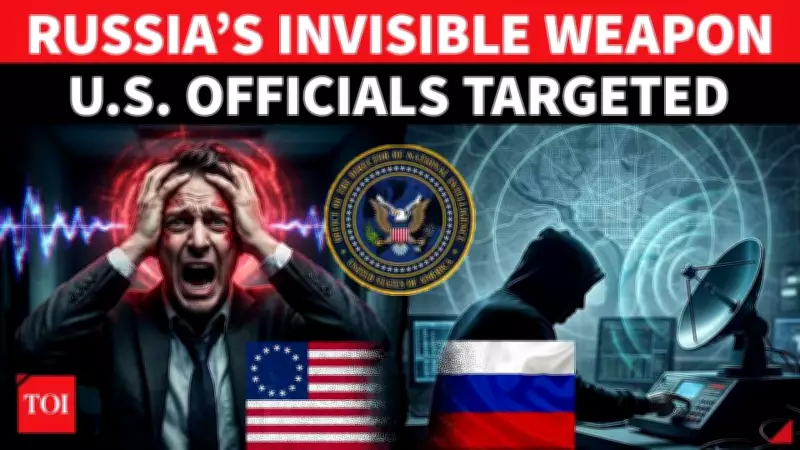
Havana Syndrome Unmasked: The Terrifying Reality of Directed Energy Attacks
What began as a series of perplexing and isolated incidents reported by U.S. officials has now been unveiled as a systematic and alarming pattern of targeted attacks. A comprehensive nine-year investigation conducted by the renowned program 60 Minutes has brought to light that high-ranking government personnel, including those operating within the secure confines of Washington, D.C., are being subjected to an invisible and devastating directed-energy force.
The Human Toll: From Brainstem Pressure to Dissolving Bones
The symptoms experienced by victims are as varied as they are severe, painting a harrowing picture of the weapon's capabilities. One retired Lieutenant Colonel described feeling an intense, vice-like grip on his brainstem, a sensation that left him incapacitated and bewildered. Even more disturbingly, his wife suffered from a condition where her bones appeared to be dissolving, a side effect that underscores the weapon's far-reaching and insidious impact.
These cases are not isolated; they represent a broader trend of mysterious ailments afflicting American officials, with symptoms ranging from chronic headaches and dizziness to cognitive impairments and long-term neurological damage. The diversity of these symptoms has complicated diagnosis and treatment, leaving many victims in a state of uncertainty and distress.

The Invisible Weapon: Microwave Energy That Bypasses Walls
Evidence now strongly points to the use of directed microwave energy, a technology so advanced that it can penetrate physical barriers such as walls and windows. This allows attackers to strike their targets within the supposed safety of their own homes, making traditional security measures ineffective. The weapon operates by emitting focused beams of microwave energy, which can cause immediate and lasting brain injuries without leaving any visible trace.
The ability to bypass physical defenses raises serious questions about national security and the vulnerability of even the most protected individuals. This technology represents a new frontier in covert warfare, where attacks can be carried out remotely and anonymously, leaving victims with lifelong health issues.
Russian Connection: A Criminal Network Behind the Attacks
While the U.S. government has maintained a cautious and often tight-lipped stance on the matter, mounting evidence implicates a Russian criminal network in these attacks. Investigations suggest that this network has developed and deployed the directed energy weapons, targeting American officials as part of a broader strategy to undermine U.S. security and intelligence operations.
The involvement of Russian actors adds a layer of geopolitical tension to the issue, highlighting the ongoing covert conflicts between nations. The use of such weapons not only poses a direct threat to individuals but also challenges international norms and agreements regarding warfare and espionage.
National Security Implications and Government Response
The revelation of these attacks has profound implications for national security. If high-ranking officials can be targeted within the heart of the nation's capital, it suggests a significant breach in protective measures and intelligence capabilities. The U.S. government faces increasing pressure to address the issue transparently and develop effective countermeasures.
Despite the growing body of evidence, official responses have been measured, with concerns about escalating tensions with Russia and the potential for public panic. However, the 60 Minutes investigation has brought the issue into the public eye, prompting calls for more robust action and international cooperation to combat this emerging threat.
Looking Ahead: The Future of Directed Energy Warfare
The exposure of Havana Syndrome and the use of directed energy weapons mark a pivotal moment in modern conflict. As technology advances, the line between conventional and unconventional warfare blurs, presenting new challenges for global security. The ongoing investigation into these attacks will likely shape future policies and defense strategies, as nations grapple with the realities of invisible and insidious threats.

In conclusion, the unmasking of Havana Syndrome reveals a disturbing new chapter in international relations, where directed energy weapons are used to target individuals with impunity. The evidence pointing to Russian involvement underscores the need for vigilance and innovation in protecting national interests and the well-being of officials serving their country.





