ICE Shooting in Minnesota Ignites Political Firestorm and Shutdown Threat
The fatal shooting of Alex Pretti by federal immigration officers from Immigration and Customs Enforcement (ICE) in Minnesota has dramatically escalated an already volatile political standoff in Washington DC. This tragic incident has pushed the United States perilously close to a fresh federal government shutdown while simultaneously raising alarming questions about the potential deployment of military forces under emergency presidential powers.
A Widening Crisis With National Implications
The death of Alex Pretti, which occurred during an Immigration and Customs Enforcement operation on Saturday, has significantly sharpened Democratic resistance to funding the Department of Homeland Security just days before a critical budget deadline. With US government funding scheduled to expire on Friday, Senate Democrats now face mounting pressure from their House colleagues and grassroots supporters to block appropriations for agencies overseeing immigration enforcement.
Immigration Enforcement Under Intense Scrutiny
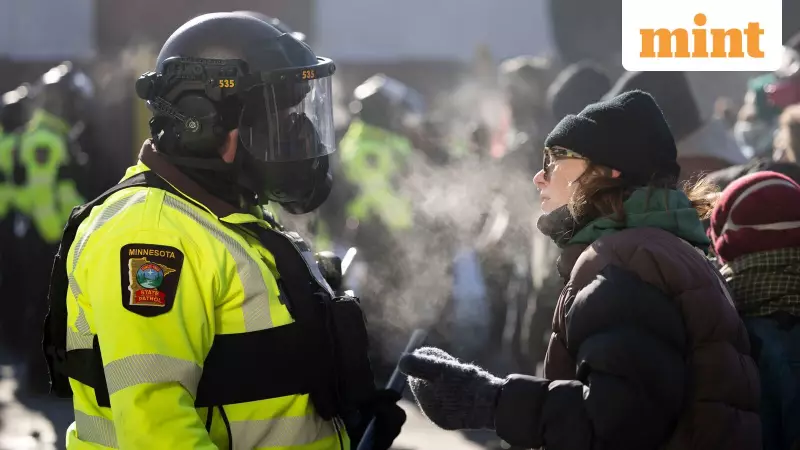
Alex Pretti's killing follows a series of controversial ICE actions in Minnesota, including the earlier fatal shooting of Renee Good in Minneapolis and a subsequent non-fatal shooting by immigration officers. Additional reports of agents detaining young children, arresting US citizens, and entering homes without judicial warrants have further inflamed tensions across the political spectrum.

House Democrats argue that continued funding without substantial reforms would amount to tacit approval of what they describe as unchecked and dangerous enforcement practices. One of the most prominent voices, Representative Alexandria Ocasio-Cortez, called for immediate action, posting on social media: "Senate Dems should block ICE funding this week. Activate the National Guard. We can and must stop this."
Budget Deadline Looms as Senate Weighs DHS Funding
Earlier this week, the House of Representatives passed a series of appropriations bills, including funding for the Department of Homeland Security, which oversees both ICE and the Border Patrol. The Senate must now approve these measures in a consolidated "minibus" package to avert a government shutdown, following a temporary funding deal that ended the previous shutdown in November.
Several Senate Democrats have indicated they are prepared to withhold their support. Senator Chris Murphy, the ranking Democrat on the subcommittee overseeing the DHS budget, renewed his demand that funding be tied to structural reforms. "1. ICE must leave Minneapolis. 2. Congress should not fund this version of ICE – that is seeking confirmation, chaos and dystopia," he wrote, adding later: "The Senate should not vote to keep funding this rampage. We are not powerless. We do not need to accept this."
Other prominent senators, including Elizabeth Warren, Mark Warner, Brian Schatz, Mark Kelly, Catherine Cortez Masto, and Jacky Rosen, have also signaled their willingness to block DHS funding without significant changes to immigration enforcement practices.
Trump Escalates Rhetoric and Hints at Military Deployment
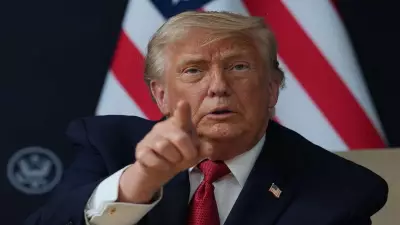
President Donald Trump has responded to Alex Pretti's fatal shooting by accusing Minnesota's Democratic leadership of fomenting unrest. The US President blamed Governor Tim Walz and Minneapolis Mayor Jacob Frey for demanding that immigration agents withdraw from the city, writing on social media: "The Mayor and the Governor are inciting Insurrection, with their pompous, dangerous, and arrogant rhetoric!"
These remarks have fueled widespread speculation that Donald Trump may invoke the Insurrection Act of 1807, a rarely used law that allows the deployment of active-duty troops within the United States. Two infantry battalions from the Army's 11th Airborne Division, based in Alaska and trained for arctic operations, were reportedly given prepare-to-deploy orders last week, adding to concerns about potential military intervention.

Earlier this month, Trump warned he would use the law "if the corrupt politicians of Minnesota don't obey the law and stop the professional agitators and insurrectionists from attacking the Patriots of I.C.E., who are only trying to do their job." Although he later told reporters there was no need to invoke it "right now," he added ominously: "If I needed it, I'd use it."
From Budget Impasse to Constitutional Confrontation
What began as a dispute over immigration enforcement has now evolved into a high-stakes confrontation spanning Congress, the White House, and state authorities. Should the Senate block DHS funding, the federal government could shut down again within days, creating widespread disruption across federal agencies and services.
If the president moves to deploy troops under emergency powers, the conflict would likely escalate into a constitutional battle over federal authority, civil liberties, and the limits of executive power. This developing situation represents one of the most significant tests of American governance in recent memory, with implications that could reshape the relationship between federal enforcement agencies, local authorities, and constitutional protections.