Palak Paneer Lunch Leads to Landmark Settlement for Indian Students in US
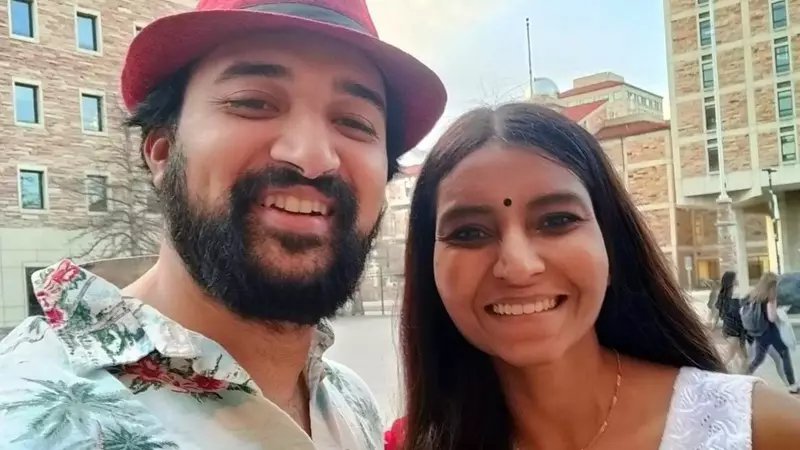
Two Indian PhD students have won a significant legal victory against a prominent American university. Aditya Prakash and Urmi Bhattacheryya secured a $200,000 settlement from the University of Colorado Boulder after alleging discriminatory treatment over heating Indian food in a shared kitchen.
The Incident That Sparked the Conflict
In September 2023, Aditya Prakash was heating his lunch of palak paneer in the anthropology department microwave. A staff member approached him unexpectedly. She complained about the food's smell and instructed him to stop using the microwave.
Prakash maintained his composure but stood firm. He told her clearly, "It's just food. I'm heating and leaving." However, this exchange marked only the beginning of their troubles.

Escalation and Retaliation
The situation quickly deteriorated for both students. Prakash alleges the university began a pattern of retaliation after he raised concerns about discriminatory treatment. He faced frequent meetings with senior faculty who accused him of making staff feel unsafe.
Bhattacheryya lost her teaching assistant position without warning or explanation. When she and three other students brought Indian food to campus two days after the initial incident, they faced accusations of "inciting a riot."
Legal Battle and Settlement
In May 2025, the students filed a federal civil rights lawsuit alleging discrimination and retaliation. Their lawsuit highlighted how kitchen policies disproportionately affected ethnic groups like South Asians, making many Indians hesitant to open their lunches in shared spaces.
By September 2025, the university reached a settlement agreement. The terms included:
- A $200,000 payment to both students
- Conferral of Master's degrees they had been denied
- A ban on future enrollment or employment at the university
The university spokesperson stated they reached an agreement with the plaintiffs while denying any liability. They emphasized their commitment to inclusive processes and environment.
Student Background and Support
Prakash, 34, comes from Bhopal while Bhattacheryya, 35, hails from Kolkata. They first met in Delhi before pursuing PhDs in the United States. Both came from middle-class backgrounds and invested their savings into their American education.
Twenty-nine fellow anthropology students supported them, criticizing what they called "discriminatory food policies." These supporters referenced the department's own Statement on Systemic Racism and Violence, arguing anthropology departments should celebrate diversity.
Broader Implications and Return to India
Bhattacheryya connects their experience to broader changes in American society following Donald Trump's return to power. She observes "a hardening, a kind of narrowing of empathy" in institutions that talk about inclusion but show less patience for discomfort from immigrants or people of color.
Both students returned to India this month, deciding against continuing their studies in the United States. Prakash explains, "Going back would mean re-entering the same system, with the same visa precarity."
The Real Victory
Despite starting afresh in India, Prakash sees value in their legal fight. He hopes their case sends a clear message: "If this case can send out a message that this ('food racism') cannot be practised with impunity, that we, as Indians, will fight back, that would be the real victory."
The students' experience highlights ongoing challenges international students face regarding cultural differences and institutional policies in foreign education systems.