Iran Issues Stark Warning to United States Over Regional Presence
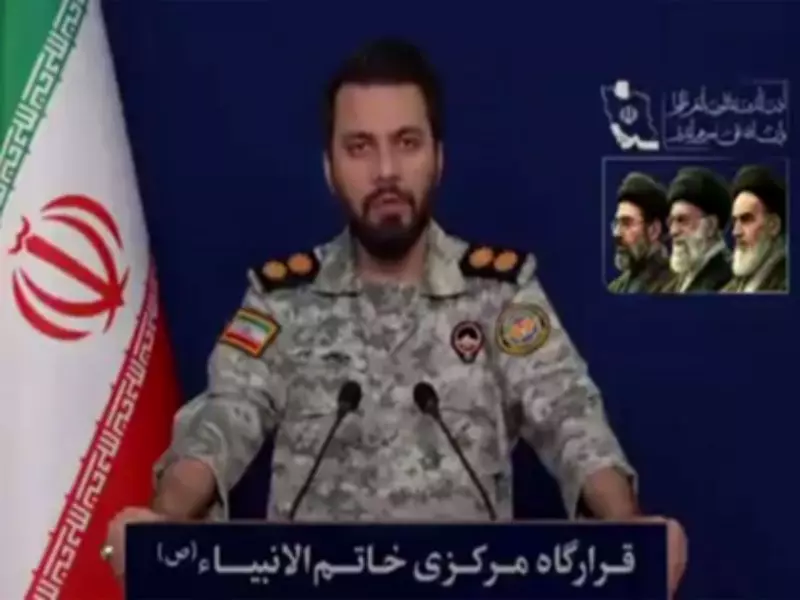
In a significant escalation of tensions, Iran has issued a forceful warning to the United States, threatening to launch crushing military strikes on American assets and the nations that host them in the Middle East. The Islamic Republic has explicitly called for the withdrawal of US forces from the region, framing this demand as a critical measure to prevent further conflict and instability.
Threat of Devastating Retaliation Against US Interests
The warning from Iranian officials underscores a hardening stance against perceived American aggression and interference in Middle Eastern affairs. Iranian military and political leaders have articulated that any continued US military presence will be met with severe and overwhelming responses. This rhetoric highlights Iran's readiness to employ its military capabilities, including missile systems and proxy forces, to target US installations and allied countries that provide logistical or operational support to American troops.
The Iranian government has emphasized that these potential strikes are not merely symbolic but are intended to inflict substantial damage on US strategic assets. This includes military bases, naval vessels, and other critical infrastructure that facilitate American operations in the region. The threat extends to regional host nations, which Iran accuses of enabling US policies that it views as hostile and destabilizing.

Context of Rising Regional Tensions and Diplomatic Standoff
This latest warning comes amid a backdrop of heightened tensions between Iran and the United States, which have been simmering for years over issues such as nuclear proliferation, regional influence, and economic sanctions. The relationship has been particularly strained since the US withdrawal from the Iran nuclear deal in 2018 and the subsequent imposition of stringent sanctions that have crippled Iran's economy.
Iran's leadership has consistently framed the US military presence in the Middle East as an illegal occupation and a primary source of regional unrest. They argue that American forces, deployed in countries like Iraq, Syria, and Bahrain, exacerbate conflicts and undermine the sovereignty of nations in the area. This perspective is shared by various Iranian-backed militias and political factions across the region, who view the US as an imperialist power.
The warning also reflects Iran's broader strategic objectives to assert its dominance in the Middle East and counter US influence. By threatening military action, Iran aims to deter further American interventions and rally support from regional allies who are wary of US policies. This move could potentially escalate into a broader confrontation if either side miscalculates the other's resolve or capabilities.
Potential Implications for Global Security and Regional Stability
If Iran were to follow through on its threats, the consequences could be dire for global security and regional stability. A direct military confrontation between Iran and the United States would likely involve multiple countries and could disrupt vital shipping lanes in the Persian Gulf, impacting global oil supplies and economic stability.

- Increased Risk of Proxy Conflicts: Iran might leverage its network of proxy groups in countries like Yemen, Lebanon, and Iraq to launch asymmetric attacks against US interests, further complicating the security landscape.
- Diplomatic Fallout: The warning could strain Iran's relations with European nations and other global powers who are attempting to mediate tensions and revive diplomatic efforts, such as the nuclear deal negotiations.
- Humanitarian Concerns: Any escalation in military activities could exacerbate humanitarian crises in conflict-ridden areas, leading to greater displacement and suffering among civilian populations.
In response, the United States has maintained that its military presence in the Middle East is essential for combating terrorism and ensuring the security of its allies. US officials have previously warned Iran against any aggressive actions, emphasizing that they will defend American personnel and interests with all necessary means. This sets the stage for a potential standoff that requires careful diplomatic maneuvering to avoid a full-scale war.
As the situation develops, international observers are closely monitoring for any signs of de-escalation or further provocations. The coming weeks may prove critical in determining whether Iran's warnings translate into concrete actions or remain as part of a broader strategy of deterrence and political posturing in the volatile Middle East.