Iran's New Supreme Leader Mojtaba Khamenei Recovers from Severe Airstrike Injuries
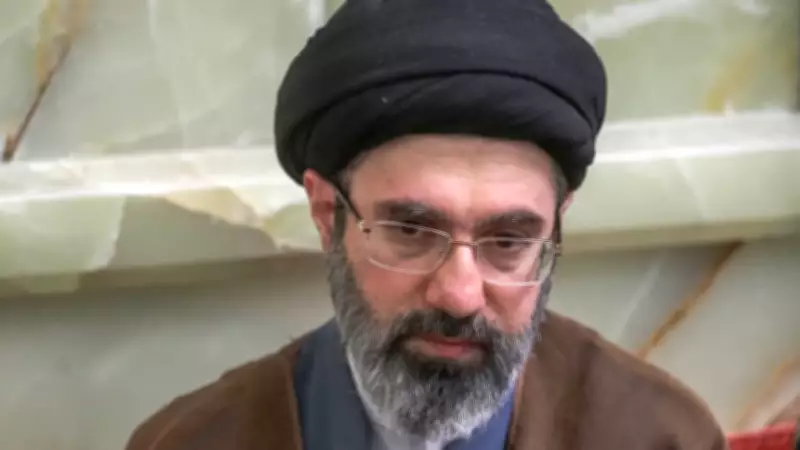
Iran's newly appointed Supreme Leader, Mojtaba Khamenei, is reportedly recovering from severe and disfiguring injuries sustained during the airstrike that killed his father at the beginning of the ongoing conflict. Multiple accounts confirm his condition, though conflicting reports continue to cast doubt over his health and capacity to govern effectively.
Details of the Injuries and Attack
According to three individuals familiar with his inner circle who spoke to Reuters, the 56-year-old cleric suffered significant facial injuries that left him disfigured, along with serious wounds to one or both legs. These injuries occurred during the February 28 strike on the supreme leader's compound in central Tehran. The attack also resulted in the death of his father, Ali Khamenei, who had ruled Iran since 1989, as well as several members of Mojtaba's family, including his wife and close relatives.
Current Condition and Governance
Despite the extent of his injuries, sources indicate that Mojtaba Khamenei remains mentally alert and continues to participate in state affairs. He is said to be attending high-level meetings via audio conferencing and is involved in key decisions, such as the war effort and sensitive negotiations with Washington. However, Reuters has noted that it could not independently verify these claims, adding to the uncertainty.

Uncertainty and Speculation
The lack of any visual or audio appearance by Khamenei since the strike has deepened the uncertainty surrounding his condition. No verified images, videos, or direct recordings of him have been released since his appointment as supreme leader on March 8, shortly after his father's death. Earlier reports painted a grimmer picture, with a diplomatic memo cited by Western media, based on US and Israeli intelligence assessments, claiming Khamenei was in a "severe" condition and possibly unable to take part in decision-making. Some accounts suggested he had been moved to the religious city of Qom for urgent treatment, while opposition-linked sources alleged he had fallen into a coma. These claims remain unverified but have intensified speculation over who is effectively running Iran at this critical moment.
Context of the Ongoing Conflict
The uncertainty surrounding Khamenei's health comes as Iran enters a decisive phase of the conflict. High-stakes talks between Iranian and US officials have begun in Islamabad, mediated by Pakistan, aimed at preserving a fragile ceasefire and exploring a longer-term settlement. Donald Trump, who is leading the American side politically, has indicated he is engaging with other Iranian officials rather than the supreme leader directly, further fueling questions about the chain of command in Tehran.
This situation highlights the complex dynamics at play in Iran's leadership during a time of war and diplomatic negotiations, with the new supreme leader's health and governance abilities under intense scrutiny.