

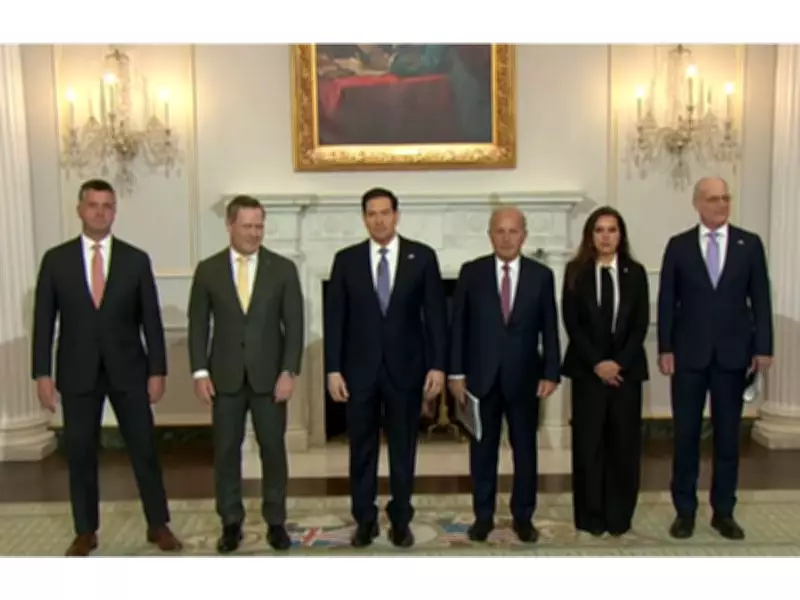
Israeli Envoy Engages in High-Stakes Meeting with Lebanon at UN
In a notable diplomatic development, Israel's ambassador to the United Nations, Gilad Erdan, recently held a meeting with Lebanon's UN representative, hinting at the possibility of future bilateral ties while simultaneously rejecting calls for a ceasefire in the ongoing conflict. This encounter, described as "wonderful" by Erdan, marks a rare instance of direct engagement between the two nations, which have historically been at odds.
Details of the Diplomatic Encounter
The meeting took place at the United Nations headquarters, where Erdan and Lebanon's envoy discussed various regional issues. Erdan emphasized the positive nature of the interaction, suggesting it could pave the way for improved relations in the future. However, he made it clear that Israel remains steadfast in its military operations, dismissing any immediate prospects for a ceasefire.
This stance underscores Israel's commitment to its security objectives, even as it explores diplomatic avenues with neighboring countries. The dialogue is seen as part of broader efforts to stabilize the region, though significant hurdles remain.

Implications for Regional Stability
The meeting between Israeli and Lebanese officials is significant given the long-standing tensions between the two nations, often exacerbated by conflicts involving Hezbollah and other militant groups. Erdan's comments highlight a dual approach: seeking diplomatic openings while maintaining military pressure.
- Potential for future diplomatic ties: The envoy's optimistic remarks suggest Israel is open to building relationships with Arab states, following similar trends in the region.
- Rejection of ceasefire calls: Israel continues to prioritize its security operations, reflecting ongoing concerns about threats from militant factions.
- Role of the United Nations: The UN serves as a neutral ground for such discussions, facilitating dialogue amid complex geopolitical dynamics.
This development comes amid heightened regional tensions, with various international actors urging de-escalation. Erdan's firm stance on the ceasefire indicates that Israel is not yet ready to halt its military actions, despite diplomatic overtures.
Broader Context and Future Prospects
The interaction between Israel and Lebanon at the UN is part of a larger pattern of shifting alliances in the Middle East. In recent years, Israel has normalized relations with several Arab countries through agreements like the Abraham Accords, and this meeting with Lebanon could signal a cautious step toward similar engagements.
However, the rejection of a ceasefire underscores the challenges in achieving lasting peace. Analysts note that while diplomatic gestures are positive, substantive progress will require addressing core security issues and regional conflicts. The envoy's hints at future ties suggest a willingness to explore new avenues, but the path forward remains uncertain.
In summary, the meeting between Israeli and Lebanese envoys represents a nuanced diplomatic effort, balancing hopes for improved relations with a firm military stance. As the situation evolves, observers will be watching for further developments that could impact regional stability and international relations.






