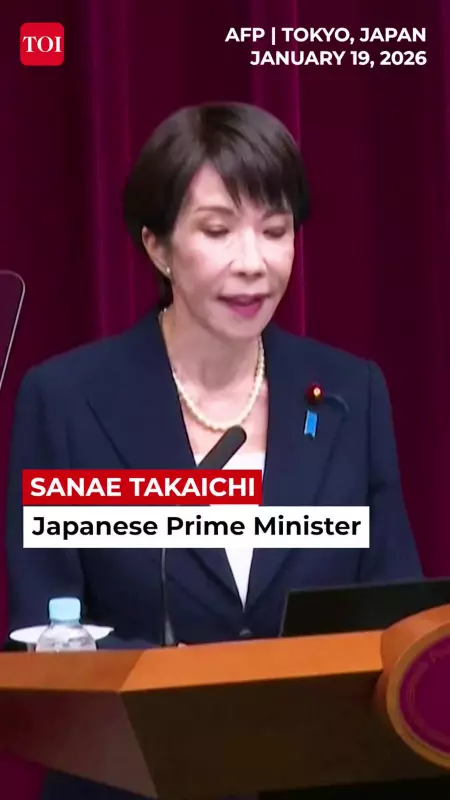
Japan's First Female Prime Minister Calls Snap Election
Japan's Prime Minister Sanae Takaichi has made a bold political move. She announced a snap election only three months after taking office. This decision comes as she seeks a fresh mandate from the Japanese people.
Betting on Popularity Amid Party Struggles
Takaichi aims to capitalize on her strong approval ratings. Recent polls show she enjoys significant public support. However, her party, the Liberal Democratic Party (LDP), faces internal challenges. The LDP has been struggling with factional disputes and declining influence.
By calling this election, Takaichi asserts that voters should decide her fitness to lead. She believes the public deserves a say in Japan's future direction. This snap election is seen as a strategic gamble to consolidate her power early in her term.

Historical Context and Political Implications
Sanae Takaichi made history by becoming Japan's first female prime minister. Her election marked a significant milestone in Japanese politics. Now, she faces her first major test with this snap election.
The timing is crucial. Three months into office, she wants to secure a solid mandate before potential political headwinds emerge. Analysts suggest this move could either strengthen her position or backfire if voters perceive it as premature.
Key factors in this election include:
- Public approval ratings that currently favor Takaichi
- LDP's internal dynamics and need for unity
- Voter sentiment about early elections
- Economic and foreign policy concerns among citizens
Observers will watch closely how this election unfolds. It could set the tone for Takaichi's entire premiership. The outcome will determine whether she can lead Japan forward with a clear public mandate.