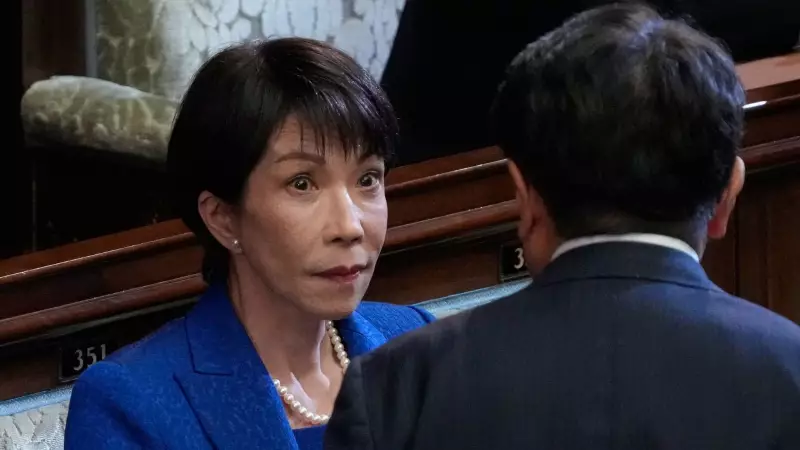
Japan's Prime Minister Takaichi Dissolves Parliament After Merely Three Months in Office
In a dramatic and unexpected political move, Japan's Prime Minister Takaichi has officially dissolved the parliament after serving only three months in office. This decision sets the stage for a snap election, plunging the nation into a period of intense political uncertainty and electoral campaigning. The dissolution comes amid growing public dissatisfaction and internal party conflicts, raising questions about the stability of Japan's leadership and the future direction of its governance.
Background and Context of the Parliamentary Dissolution
The dissolution of parliament by Prime Minister Takaichi marks a significant and rare event in Japanese political history, as it occurs after an unusually short tenure. Typically, Japanese prime ministers serve longer terms before calling elections, but Takaichi's move suggests underlying pressures or strategic calculations. This action follows a series of controversies and policy challenges that have eroded public confidence in the government, including economic struggles and diplomatic tensions.
Analysts speculate that the snap election is aimed at seeking a fresh mandate from the electorate, potentially to consolidate power or address mounting criticisms. However, it also risks further destabilizing the political landscape, as opposition parties are likely to capitalize on the government's perceived weaknesses during the campaign period.

Implications for Japan's Political Stability and Governance
The decision to dissolve parliament and call a snap election has far-reaching implications for Japan's political stability and governance. On one hand, it provides an opportunity for voters to reassess their support and potentially bring in new leadership or policies. On the other hand, it could lead to prolonged political gridlock if the election results in a fragmented parliament, making it difficult to pass crucial legislation or implement reforms.
Key factors driving this move include:
- Public discontent over economic issues such as inflation and unemployment.
- Internal party disputes within Takaichi's ruling coalition, affecting policy coherence.
- External pressures from global events that have impacted Japan's foreign relations and security concerns.
This situation underscores the challenges faced by democratic systems in maintaining continuity and effectiveness amid rapid political changes.
Global Reactions and Comparative Analysis
Internationally, the dissolution of Japan's parliament has drawn attention from political observers and governments worldwide, given Japan's role as a major economic and strategic player. Comparisons are being made to similar snap elections in other democracies, such as those in Europe or India, where leaders have called early votes to navigate crises or seek stronger mandates.
The outcome of this election could influence Japan's foreign policy, particularly in areas like trade agreements, defense alliances, and climate change initiatives. As the campaign unfolds, stakeholders will closely monitor developments to gauge potential shifts in Japan's domestic and international priorities.
In summary, Prime Minister Takaichi's decision to dissolve parliament after only three months in office represents a pivotal moment in Japanese politics. It highlights the volatile nature of leadership in modern democracies and sets the stage for a critical electoral contest that will shape Japan's future trajectory. The coming weeks will be crucial as parties vie for voter support in this high-stakes snap election.