Michael Kugelman Forecasts Continued US-Iran Diplomacy Amid Islamabad Gridlock
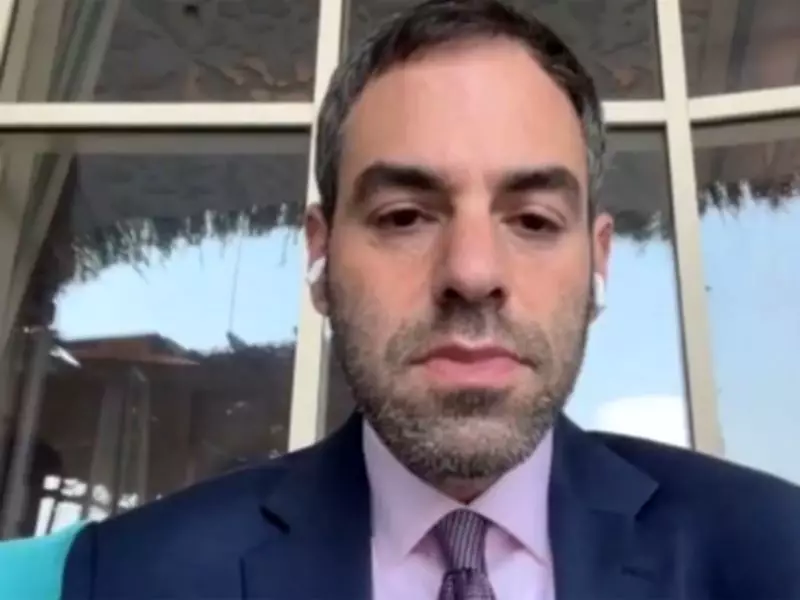
In a recent analysis, Michael Kugelman, a prominent South Asia expert at the Wilson Center, has predicted that diplomatic engagements between the United States and Iran are likely to continue, even as political gridlock in Pakistan complicates regional dynamics. Kugelman emphasized that despite the challenges posed by Islamabad's current stalemate, the strategic imperatives driving US-Iran talks remain strong, with both nations having vested interests in managing tensions and exploring potential agreements.
Persistent Diplomatic Efforts Despite Regional Hurdles
Kugelman pointed out that the United States and Iran have maintained a complex relationship marked by periods of confrontation and dialogue. He noted that recent diplomatic overtures, including indirect talks mediated by other countries, indicate a willingness on both sides to engage, even if progress is slow. The expert highlighted that issues such as nuclear negotiations, regional security, and economic sanctions are central to these discussions, with the Biden administration seeking to revive aspects of the 2015 nuclear deal while addressing broader concerns.
The gridlock in Pakistan, stemming from political instability and internal conflicts, has created additional layers of complexity in South Asia. Kugelman explained that Pakistan's role as a key player in the region, with ties to both the US and Iran, means that its political paralysis could indirectly impact diplomatic channels. However, he argued that this does not necessarily derail US-Iran efforts, as the two countries often operate through multilateral forums and backchannel communications that bypass immediate regional obstacles.

Strategic Interests Driving Engagement
According to Kugelman, the United States views diplomacy with Iran as crucial for stabilizing the Middle East and countering threats from non-state actors. He mentioned that the US aims to prevent nuclear proliferation and reduce tensions that could escalate into broader conflicts. On the Iranian side, there is a desire to ease economic pressures from sanctions and gain international legitimacy, which motivates continued dialogue despite domestic hardline opposition.
Kugelman stressed that while the Islamabad gridlock might slow down regional coordination, it is unlikely to halt US-Iran talks entirely. He cited historical precedents where diplomatic initiatives persisted through other crises, suggesting that both nations have developed resilience in their engagement strategies. The expert also noted that other global powers, such as European countries and China, play supportive roles in facilitating these discussions, providing alternative avenues for progress.
Implications for South Asia and Beyond
The ongoing US-Iran diplomacy has significant implications for South Asia, particularly in terms of security and economic ties. Kugelman warned that if Pakistan's political situation worsens, it could strain its relationships with neighboring countries, including Iran, potentially affecting cross-border trade and cooperation on issues like counterterrorism. However, he remained optimistic that diplomatic efforts between the US and Iran could help mitigate some of these regional tensions by fostering a more stable environment.
In conclusion, Michael Kugelman's forecast underscores that US-Iran diplomacy is far from over, with both nations committed to navigating challenges like the Islamabad gridlock. His analysis suggests that strategic interests will continue to drive engagement, making it a key area to watch in international relations. As developments unfold, observers should monitor how regional dynamics influence these talks and what outcomes might emerge for global peace and security.