Venezuelan President Nicolás Maduro has made a significant entry into the United States, landing at an airport just outside New York City. This unexpected arrival sets the stage for a potentially pivotal moment in the long-strained relations between Washington and Caracas.
Touchdown at Stewart: A Carefully Chosen Arrival
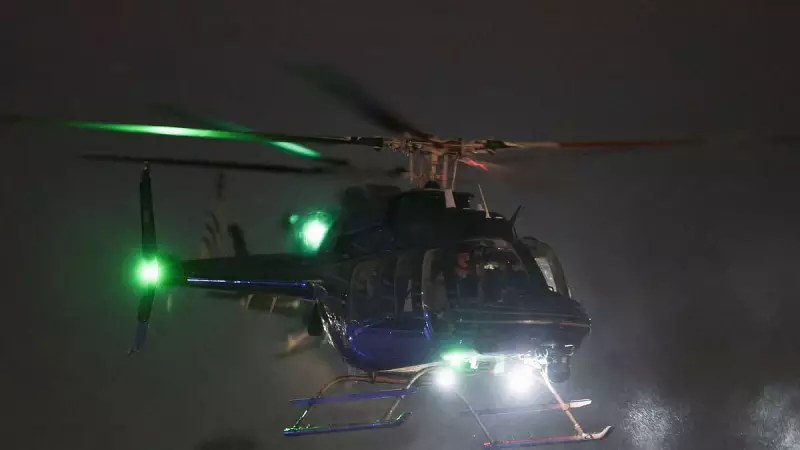
The focal point of this diplomatic movement was Stewart International Airport, located approximately 60 miles northwest of New York City. Video footage confirmed the arrival of a plane carrying the Venezuelan leader on January 4, 2026. The choice of this smaller airport, rather than a major hub like JFK, highlights the sensitive and highly secured nature of this visit.
Immediately after the aircraft landed, a notable scene unfolded. Several US personnel, identifiable by their gear, approached and boarded the plane. Reports confirmed that among these officials were members of the Federal Bureau of Investigation (FBI). This standard security protocol for visiting foreign dignitaries underscores the complex and cautious framework surrounding Maduro's presence on US soil.

The Context of a Contentious Visit
Nicolás Maduro's travel to the United States is an event laden with historical and political weight. For years, the US government has levied severe sanctions against Venezuela's oil industry and key government figures, citing issues of democracy and human rights. Maduro himself has been the target of these measures.
His ability to make this journey suggests a behind-the-scenes diplomatic engagement, possibly related to energy markets, regional stability, or ongoing negotiations. The arrival comes at a time when global geopolitical dynamics are shifting, and major powers are recalculating their engagements with oil-rich nations.
Implications and What Comes Next
The presence of the Venezuelan president in New York is sure to trigger widespread analysis and reaction. Key points of focus will include:
- The Official Agenda: The precise reason for Maduro's visit remains a subject of intense speculation. It could be connected to United Nations proceedings, high-level talks with US officials, or international forums.
- Domestic Reactions: The move will be scrutinized by political factions both within the United States and Venezuela, where opposition groups have long opposed Maduro's government.
- Global Diplomacy: This event may signal a potential, albeit cautious, thaw in a frozen bilateral relationship, with implications for Latin American politics and global oil supplies.
The landing at Stewart International Airport is just the beginning. As Maduro engages in his scheduled activities, the world will be watching to see if this rare direct contact leads to a new chapter or remains a tense, isolated episode in US-Venezuela relations. The involvement of US security agencies from the very first moment highlights the delicate balance between diplomatic protocol and deep-seated political tensions.