In a dramatic escalation of tensions, the United States has taken Venezuelan President Nicolás Maduro into custody following targeted military strikes on his country. The first visuals and official remarks regarding the detention were released by the administration of U.S. President Donald Trump.
Maduro Arrives in New York in Handcuffs
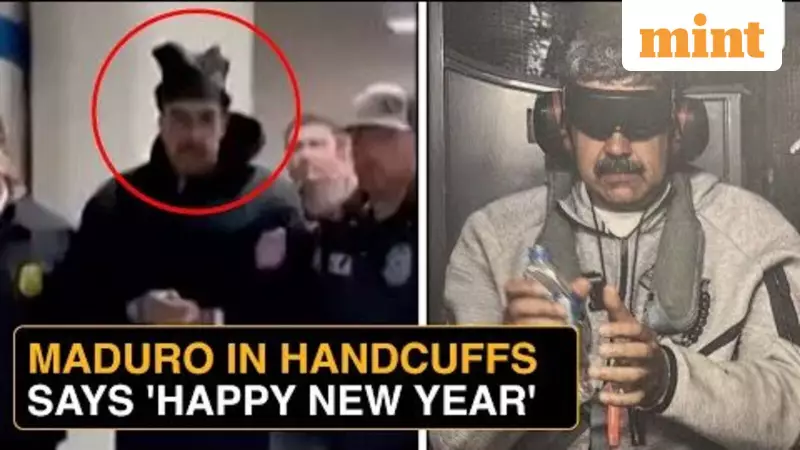
Video footage and social media posts confirmed that Nicolás Maduro arrived at a U.S. detention facility in New York. The images, made public on January 4, 2026, show the Venezuelan leader in handcuffs. Reports indicate that upon arrival, Maduro greeted Drug Enforcement Administration (DEA) agents with a sarcastic "Happy New Year," highlighting the surreal nature of the situation.
Subsequent to his detention, a U.S. court has formally charged Maduro. The indictment includes serious allegations related to narcotics trafficking and weapons charges. This legal move frames his capture as part of a criminal prosecution rather than a purely political act.

Clashing Narratives: Law Enforcement vs. Military Aggression
The Washington administration has presented a clear justification for the operation. Officials state it is a component of a broader law-enforcement and national security initiative aimed at combating international crime and threats. The U.S. stance emphasizes the judicial charges as the core reason for Maduro's apprehension.
However, the reaction from Caracas has been one of fury and defiance. The Venezuelan government has declared a national emergency in response to the American military action and the capture of its head of state. Venezuelan authorities have universally condemned the operation, labeling it an act of illegal military aggression and a blatant violation of international law.
Global Repercussions and Uncharted Territory
This unprecedented event marks a new low in the long-strained relations between the United States and Venezuela. The direct military action against a sovereign nation and the detention of its sitting president by another country sets a contentious precedent in international affairs.
The situation plunges Venezuela into a profound leadership crisis and raises urgent questions about regional stability. The global community is now watching closely to see how other nations, particularly regional powers and traditional allies of both the U.S. and Venezuela, will respond. The potential for further escalation remains a significant concern for diplomats worldwide.