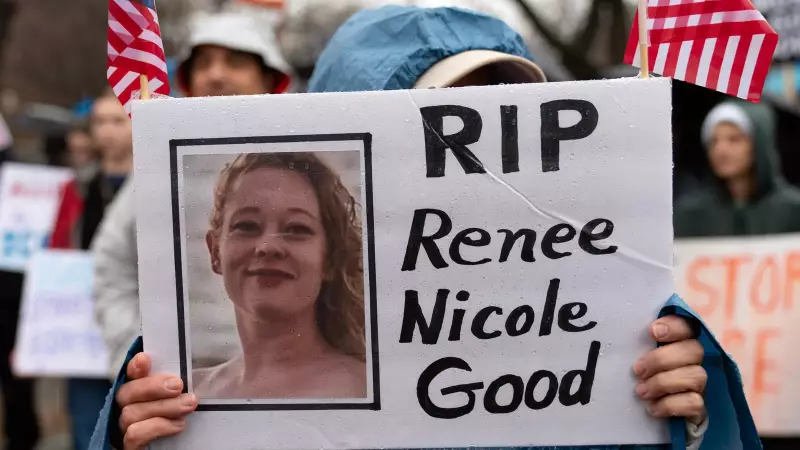
Democratic legislators in Minnesota are intensifying pressure for a more comprehensive and transparent investigation into the fatal police shooting of Renee Goods. The call comes amidst growing public concern and demands for accountability.
Lawmakers Call for Expanded Scope
A group of Minnesota Democratic-Farmer-Labor (DFL) Party lawmakers has formally requested a broader inquiry into the circumstances that led to the death of Renee Goods. The incident, which occurred on February 18, 2024, involved a Minnesota State Patrol trooper. According to initial reports, the trooper attempted to stop Goods for a suspected traffic violation in the city of Minneapolis. The situation escalated, resulting in the trooper firing their weapon.
The lawmakers, including Representatives Esther Agbaje, Hodan Hassan, and Samantha Sencer-Mura, have expressed deep dissatisfaction with the limited scope of the current investigation. They argue that an inquiry led solely by the Minnesota Bureau of Criminal Apprehension (BCA) is insufficient to ensure public trust and a complete understanding of the event.

Key Demands for Transparency
The elected officials have outlined specific demands to ensure a thorough process. They are urging for the immediate release of all body camera and dash camera footage related to the shooting. Transparency, they assert, is paramount for the community, especially for Goods' grieving family.
Furthermore, the Democrats are pushing for the investigation to be handed over to an independent, external agency. Their primary concern is that the current structure, where one state agency investigates another, may not yield the impartiality required. They have suggested involving county attorneys from outside the immediate jurisdiction to review the findings and make charging decisions.
The tragic event has reignited debates about police conduct, traffic stop protocols, and the mechanisms for investigating use-of-force incidents. Community advocates have echoed the lawmakers' demands, highlighting a pattern where investigations into police shootings lack the perceived independence needed to deliver justice.
Official Response and Next Steps
As of now, the Minnesota Department of Public Safety and the State Patrol have acknowledged the incident and the ongoing BCA investigation. Standard protocol in such cases is for the BCA to complete its investigation and then turn its findings over to the county attorney's office for review.
However, the pressure from DFL lawmakers could alter this course. They have formally communicated their demands to Governor Tim Walz and other state officials, seeking executive action to expand the probe. The coming days will be critical in determining whether state authorities will accede to these calls for an independent investigation into the death of Renee Goods.
The outcome of this political push will be closely watched, as it sets a precedent for how Minnesota handles officer-involved shootings in the future. It underscores a persistent demand from communities and their representatives for greater accountability and systemic change in law enforcement oversight.