Minnesota Businesses Stage Economic Strike Against Trump's Immigration Crackdown
In a powerful display of community resistance, scores of businesses across Minnesota shuttered their doors on Friday in a coordinated economic strike. This action, organized by religious leaders and labor unions, represents a direct protest against U.S. President Donald Trump's deployment of thousands of immigration enforcement officers on the streets of Minneapolis.
"ICE OUT!" Message Echoes Across Frozen Streets
On a frigid day with temperatures well below freezing in snowy Minneapolis, the message was clear and uncompromising. Fliers posted on business doors proclaimed "ICE OUT!" referring to the U.S. Immigration and Customs Enforcement agency, accompanied by the directive "NO WORK. NO SCHOOL. NO SHOPPING." Across the state, bars, restaurants, museums, shops and other local establishments closed for the day, creating an economic standstill intended to send a powerful message to federal authorities.
Miguel Hernandez, a community organizer who closed his Lito's Bakery in Minneapolis for the day, prepared for protest by layering four clothing items, wool socks and a parka. "If this were any other time, no one would've gone out," he stated, bracing against the harsh weather. "For us, it's a message of solidarity with our community, that we see the pain and misery that's going on in the streets, and it's a message to our politicians that they have to do more than grandstand on the news."

March Follows Angry Street Confrontations
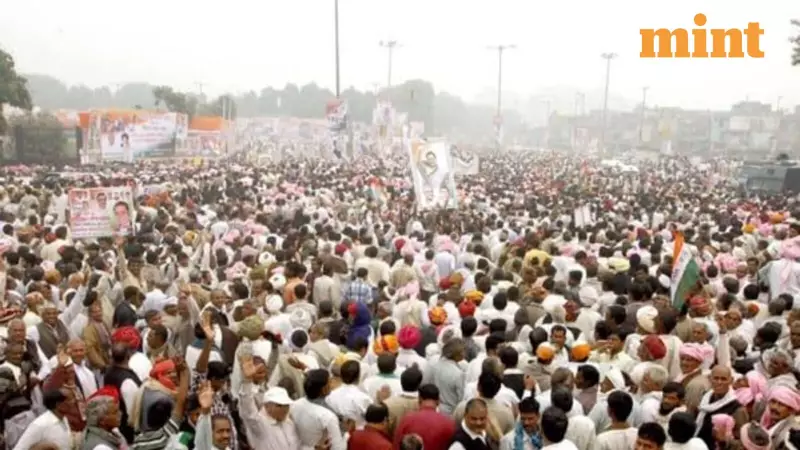
Many workers in Minneapolis planned to join an afternoon march that organizers intended to be the largest display of opposition yet to the federal government's immigration surge. Mayor Jacob Frey and other Democrats have likened this deployment to an invasion, creating significant tension within the community.
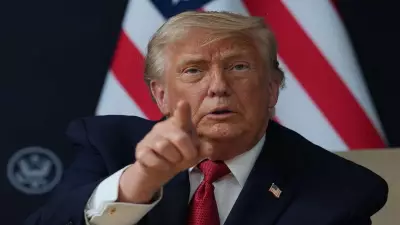
The Trump administration launched the Minnesota crackdown in response to fraud allegations against some members of the state's large Somali-origin community. President Trump has made inflammatory remarks about Somali immigrants, calling them "garbage" and stating they should be removed from the country as part of his effort to expel more immigrants than any of his predecessors, including some admitted to seek asylum and other lawful residents.
Minnesota residents have responded with sustained anger, creating noise in the streets day and night using whistles and musical instruments. Some agents and protesters have engaged in verbal confrontations, with agents deploying tear gas and flash-bang grenades to scatter crowds. The Trump administration claims some protesters have harassed agents and obstructed their work.
Corporate Silence and Community Determination
Patty O'Keefe, a 36-year-old nonprofit worker, expressed her commitment to joining Friday's march despite the harsh conditions. "We continue to be under siege from the federal government, and it feels like we need to do more because our normal forms of protest and resistance have shown to not be enough yet to really send a strong enough message to Trump," she explained.
Interestingly, the numerous Fortune 500 companies based in Minnesota—mostly concentrated in the Minneapolis area—have refrained from making public statements about the immigration raids. Minneapolis-based Target, which has faced criticism over the past year for retreating from its public commitment to diversity policies, has encountered additional scrutiny for not speaking out about ICE activity at its stores. State lawmakers have pressed the company for details about its guidance to employees regarding potential ICE officer visits.
When contacted for comment, Target declined to respond. Reuters also reached out to several other Minnesota-based corporations including:
- UnitedHealth
- Medtronic
- Abbott Laboratories
- Best Buy
- Hormel
- General Mills
- 3M
- Fastenal
None of these companies immediately responded to requests for comment, highlighting the corporate sector's cautious approach to this politically charged situation.

Educational Adjustments and Administrative Response
While no school districts completely shut down, schools in the Twin Cities of Minneapolis and St. Paul offered remote-learning options according to the Minnesota Star Tribune. This educational flexibility allowed families to participate in the protest while maintaining academic continuity.
Senior Trump administration officials have visited Minneapolis to defend ICE operations, with Vice President JD Vance telling reporters during his Thursday visit that the administration is "doing everything we can to lower the temperature." This statement contrasts sharply with the escalating tensions on the ground, where community members feel increasingly targeted by federal immigration policies.
The economic strike represents a significant escalation in protest tactics, moving beyond traditional demonstrations to directly impact Minnesota's commercial activity. This coordinated action underscores the depth of community opposition to what many perceive as aggressive and discriminatory immigration enforcement measures.