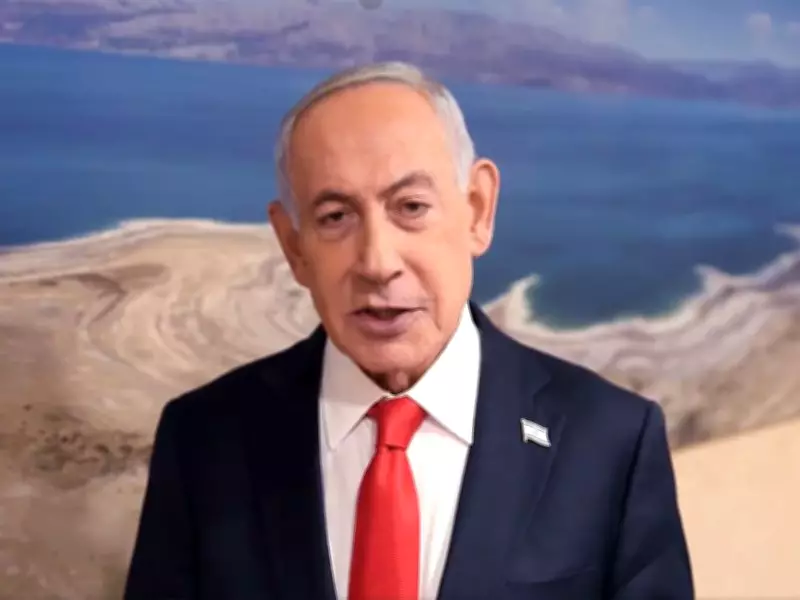
Netanyahu Proposes Mediterranean Pipeline Rerouting as Long-Term Hormuz Fix
Israeli Prime Minister Benjamin Netanyahu has unveiled a strategic proposal to reroute a Mediterranean pipeline as a long-term solution to bypass the critical Strait of Hormuz. This initiative aims to address persistent geopolitical vulnerabilities in global energy trade by creating an alternative route for oil transportation.
Strategic Energy Security Proposal
The proposal focuses on leveraging existing and planned pipeline infrastructure in the Mediterranean region to divert oil flows away from the Strait of Hormuz. Netanyahu emphasized that this move is designed to mitigate risks associated with regional conflicts and tensions that often threaten the stability of oil shipments through the strait.
Key objectives of the plan include:

- Enhancing energy security for Israel and its allies by reducing dependence on the Hormuz chokepoint.
- Fostering regional cooperation through shared infrastructure projects.
- Stimulating economic growth by securing more reliable energy supply chains.
Geopolitical Context and Implications
The Strait of Hormuz is a vital maritime passage through which approximately one-fifth of the world's oil passes daily. It has been a flashpoint for geopolitical tensions, particularly involving Iran and other regional powers. Netanyahu's proposal seeks to provide a durable fix by rerouting oil via Mediterranean pipelines, which could include connections to European markets.
This initiative aligns with broader efforts by Israel to position itself as a key energy hub in the Eastern Mediterranean. Recent discoveries of natural gas reserves off Israel's coast have already bolstered its energy profile, and the pipeline rerouting plan could further integrate Israel into global energy networks.
Challenges and Feasibility
While the proposal offers a promising long-term solution, it faces several challenges:
- Infrastructure Development: Significant investments and international agreements are required to expand or modify existing pipelines.
- Political Coordination: Cooperation with neighboring countries and global partners is essential for implementation.
- Economic Viability: The cost-effectiveness of rerouting compared to current shipping routes must be carefully assessed.
Netanyahu has called for collaborative efforts among Mediterranean nations and international stakeholders to explore this option. He highlighted that such a project could not only enhance energy security but also promote stability in a volatile region.
In conclusion, Netanyahu's Mediterranean pipeline rerouting proposal represents a forward-thinking approach to addressing the strategic vulnerabilities of the Strait of Hormuz. By prioritizing energy security and regional cooperation, this plan could reshape global oil trade dynamics in the coming years.