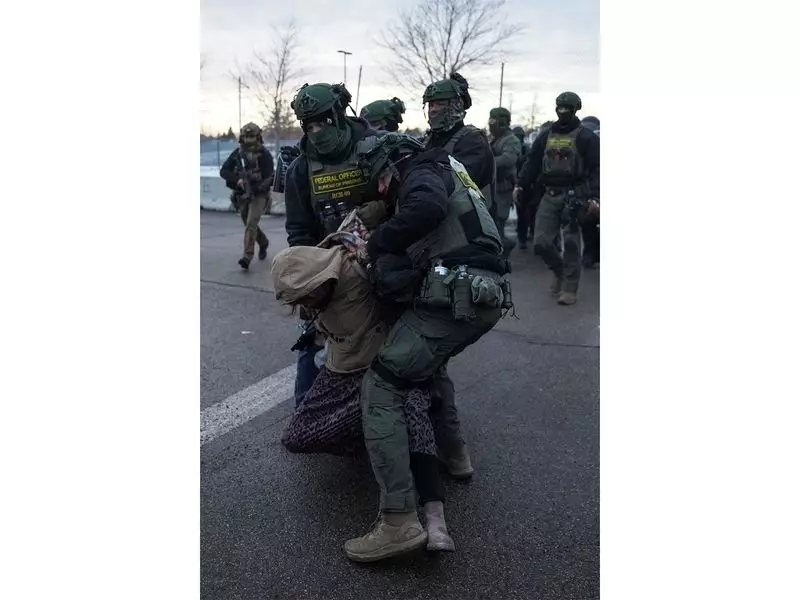
The United States Department of Defense, commonly known as the Pentagon, has taken decisive action by mobilising a substantial force of soldiers. This move involves nearly 1,500 troops who are now preparing for deployment in the state of Minnesota.
Military Mobilisation Details
Officials from the Pentagon confirmed the mobilisation effort earlier this week. They stated that the soldiers are being called up from various units across the country. The deployment aims to address specific requirements in Minnesota, though exact reasons remain under wraps for operational security.
Scale and Scope of the Deployment
With almost 1,500 soldiers involved, this deployment represents a significant military commitment. The troops are expected to undergo brief training and orientation sessions before heading to Minnesota. Their roles will likely include support functions, logistics, and possibly public assistance duties.

Military analysts note that such mobilisations are not uncommon during times of heightened need. However, the size of this deployment has caught the attention of observers. It underscores the Pentagon's readiness to deploy resources swiftly when called upon by state authorities.
Impact on Minnesota
Minnesota officials have welcomed the additional military support. The state has faced various challenges recently, including natural disasters and civil unrest. The presence of nearly 1,500 soldiers could provide crucial aid in managing these situations.
Local communities in Minnesota are preparing for the arrival of the troops. Authorities are coordinating with military leaders to ensure a smooth integration. The soldiers will be stationed at designated bases and facilities across the state.
Broader Implications
This deployment highlights the ongoing role of the US military in domestic affairs. The Pentagon often assists states during emergencies or special events. Mobilising such a large number of soldiers demonstrates the federal government's capacity to respond to internal needs.
Experts suggest that the move may also serve as a training exercise for rapid deployment scenarios. It allows the military to test its logistics and coordination capabilities in a real-world setting. The lessons learned could prove valuable for future operations.
As the soldiers begin their deployment, all eyes are on Minnesota. The success of this mission could influence how similar mobilisations are handled in the future. For now, the focus remains on providing effective support to the state and its residents.