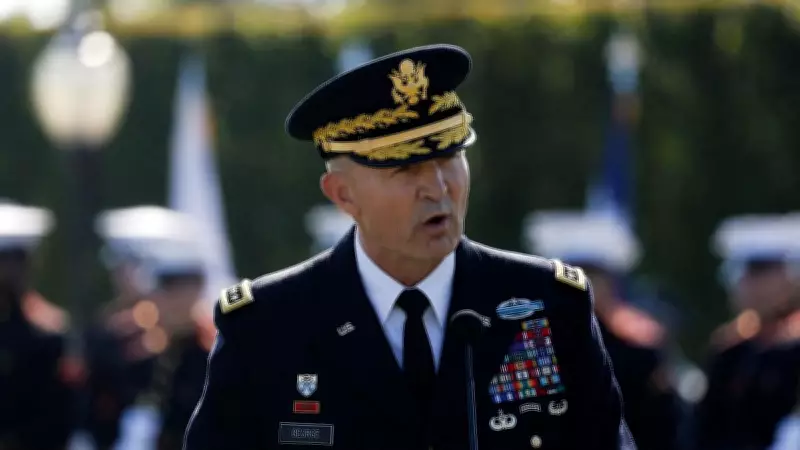
Pete Hegseth Forces Out US Army Chief Randy George in Sudden Command Change
In a stunning development that has sent shockwaves through the United States military establishment, Pete Hegseth has ousted US Army Chief of Staff Randy George, demanding his immediate retirement from service. This abrupt leadership transition marks a significant upheaval in the top echelons of the American armed forces, with implications for ongoing defense strategies and personnel management.
Randy George's Distinguished Military Career Cut Short
Randy George, who was appointed as the Army Chief of Staff in 2023, brought a wealth of combat experience to his role. His service included deployments in both the Iraq War and the War in Afghanistan, where he earned recognition for his leadership and tactical acumen. George's tenure, though brief, was noted for its focus on modernizing army protocols and enhancing troop readiness in response to evolving global threats.
The decision by Pete Hegseth to remove George from his position comes without prior public indication, raising questions about the underlying reasons and the future direction of army leadership. Analysts speculate that this move could be part of a broader restructuring effort aimed at aligning military command with new administrative priorities or geopolitical shifts.

Immediate Retirement Order and Its Ramifications
Hegseth's directive for George to retire immediately underscores the urgency and finality of this dismissal. Such a swift departure is uncommon for high-ranking officials, typically allowing for a transition period to ensure continuity in operations. The immediate nature of this order suggests that the decision was driven by pressing concerns or a decisive break in strategic vision.
This development has sparked discussions within defense circles regarding:
- The potential impact on ongoing military initiatives and international partnerships.
- The criteria and processes for appointing and removing senior army leaders.
- The message this sends to other branches of the US military about leadership stability.
Context and Broader Implications
The ousting of Randy George occurs against a backdrop of dynamic global politics, including tensions in regions like the Middle East, and domestic considerations such as defense budgeting and technological integration. As the US Army navigates these challenges, the sudden change in its chief could influence operational effectiveness and morale among personnel.
Looking ahead, the appointment of a successor will be closely watched, as it will signal the administration's priorities for the army's role in national security. Stakeholders, from policymakers to military families, are awaiting further details on the rationale behind this move and its long-term consequences for American defense capabilities.
In summary, Pete Hegseth's dismissal of Army Chief Randy George represents a pivotal moment in US military history, highlighting the volatile nature of high-stakes leadership and the ongoing evolution of armed forces governance.