America's Central Bank Needs Powell to Stay as Trump Turns Up the Heat
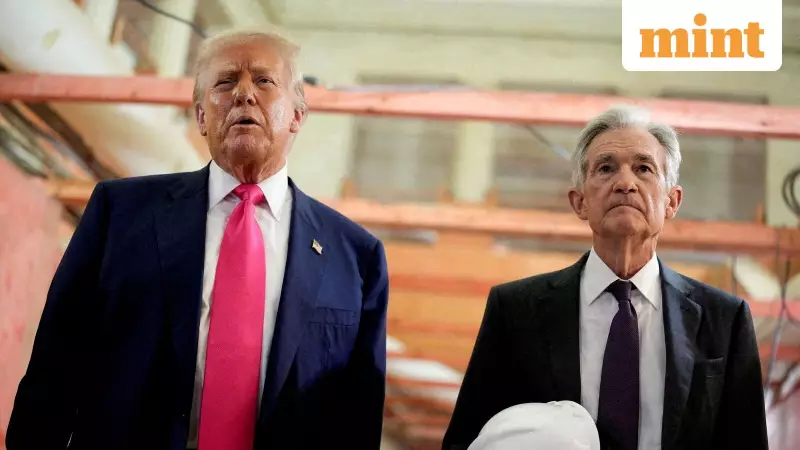
The Federal Reserve faces its most serious challenge to independence in decades. President Donald Trump has launched a pressure campaign against Chair Jerome Powell, using the Justice Department to threaten criminal charges. This move represents a direct assault on the central bank's ability to make decisions based on economic evidence rather than political demands.
A Battle Over More Than Interest Rates
This conflict extends far beyond monetary policy debates. The fundamental question has become whether America's central bank can resist political intimidation and maintain its institutional integrity. Powell recently revealed that federal prosecutors have served grand jury subpoenas targeting his congressional testimony about Fed headquarters renovations.
"The threat of criminal charges comes because we set interest rates based on what serves the public, not presidential preferences," Powell stated clearly. He emphasized this is about whether monetary policy will follow economic evidence or yield to political pressure.

Historical Parallels and Present Dangers
We haven't seen such threats to Fed independence since the Nixon administration. President Richard Nixon famously appointed his economic counselor Arthur Burns as Fed chair, joking about lower rates during the swearing-in ceremony. That political interference damaged Fed credibility for years.
Trump now demands dramatically lower interest rates despite economic realities. Policymakers currently balance several complex factors:
- Persistent inflation concerns
- A fluctuating labor market
- Major shifts in global trade policies
- The economic impact of artificial intelligence
The Fed has responded with careful, gradual rate cuts. Trump wants rapid easing that could reignite inflation.
Why Powell's Continued Service Matters
Jerome Powell's term as chair ends in May, but he should strongly consider remaining as a Fed governor until 2028. Several factors make his continued presence essential:
- He has demonstrated strong moral leadership under pressure
- His vote would help create a barrier against further political interference
- He represents institutional stability during a turbulent period
Fortunately, Powell isn't facing this challenge alone. Senator Thom Tillis has promised to oppose any Trump nominees to the Fed until the legal matters resolve. This could block presidential candidates from advancing through the Senate Banking Committee.
Market Reactions and Long-Term Consequences
The Justice Department's actions initially rattled financial markets. The S&P 500 retreated and Treasury yields rose when news broke. While markets recovered within hours, the episode revealed vulnerabilities.
Ill-advised rate cuts can actually increase borrowing costs for consumers, since mortgage rates and long-term interest rates respond to market forces. The stock market's quick recovery doesn't mean financial markets can discipline presidential overreach.
Trump's tariff policies have taught traders to discount some administration moves, but diminished Fed credibility causes lasting damage. The institution took decades to rebuild trust after Nixon-era interference.
The Institutional Defense
The Federal Reserve possesses structural defenses against executive branch meddling. Principled technocrats staff the institution, committed to its mission of evidence-based policymaking. Public servants like Powell and Tillis have shown willingness to confront misguided political pressure.
For now, the Justice Department's actions probably won't change near-term monetary policy. The Fed's institutional framework was designed to withstand such challenges. However, Trump's latest overreach demonstrates that nothing can be taken for granted.
That's precisely why Jerome Powell must commit to staying in this fight. America needs principled leaders at its central bank during this critical period. His continued service as a governor would help protect the Federal Reserve's independence when it faces unprecedented political pressure.