Prince Andrew's Arrest: A Criminal Investigation Shakes the British Monarchy
The British royal family has entered unprecedented territory as Prince Andrew, the younger brother of King Charles III, faces an active criminal investigation. What began as a reputational crisis linked to Jeffrey Epstein has now escalated into a formal police matter with potential constitutional implications for the monarchy.
The Arrest That Changed Everything
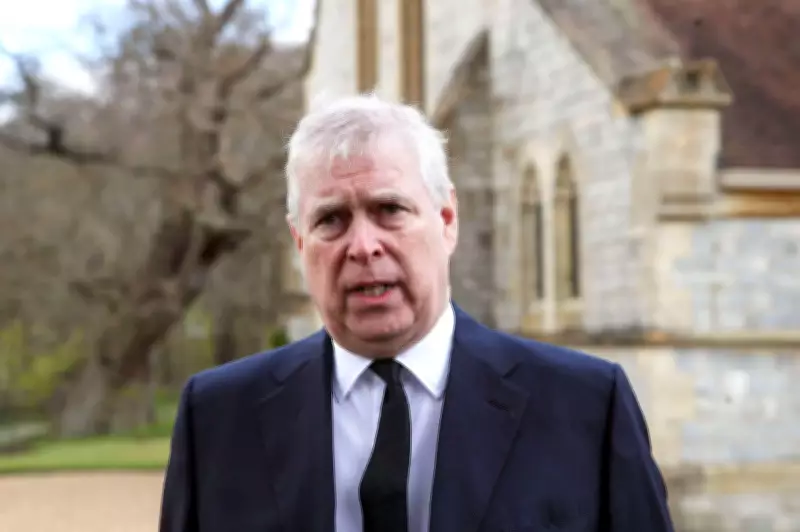
On February 19, Thames Valley Police detained Prince Andrew at Sandringham on suspicion of misconduct in public office. The arrest followed renewed scrutiny after a significant release of documents related to Jeffrey Epstein in the United States. Police conducted searches at multiple addresses linked to the prince, including properties at Sandringham and Windsor.
The police statement described the detainee as "a man in his sixties from Norfolk" - a striking departure from the royal titles typically afforded to a former prince who once moved through global circles as "His Royal Highness Prince Andrew." This linguistic demotion signaled a fundamental shift in how state institutions now approach royal privilege.

King Charles responded publicly to the development, stating clearly: "Let me state clearly: the law must take its course," while promising "full and wholehearted support and cooperation" with authorities. This carefully worded statement represents the palace's attempt to navigate the delicate balance between family loyalty and institutional integrity.
The Allegations at the Heart of the Investigation
The misconduct inquiry centers on allegations that Prince Andrew shared official trade-related reports or confidential material with Jeffrey Epstein during his tenure as a UK trade envoy. This role typically involves access to sensitive government documents and carries strict expectations of confidentiality regarding state information.
The alleged offense - misconduct in public office - carries serious legal consequences, with maximum sentences potentially reaching life imprisonment. While arrest does not imply guilt and charging decisions may take considerable time, the mere possibility of such severe penalties underscores the gravity of the situation.
Why This Investigation Matters Beyond One Royal
This development represents more than just another scandal involving a disgraced royal family member. It serves as a stress test for the monarchy's legitimacy in modern Britain, shifting the narrative from personal behavior and civil litigation into accusations that blur the line between private vice and public duty.
The Associated Press framed the arrest as marking how far the UK has moved from an era when institutions were expected to protect the crown from embarrassment. Authorities "once sought to shield the royal family" from such public scrutiny, but this investigation demonstrates a new willingness to treat royal figures as ordinary citizens under the law.
The monarchy's vulnerability is amplified by the current political environment, where promises that "nobody is above the law" resonate strongly with the public. Republican groups believe the crown operates with a thinner "benefit of the doubt" margin than it enjoyed even a generation ago.
Graham Smith, CEO of the campaign group Republic, stated that the arrest "threatens the whole monarchy," suggesting that what might once have been contained as a family disgrace can now be framed as evidence of systemic problems within royal institutions.
Historical Context and Modern Implications
The British royal family has weathered numerous scandals throughout its history:
- The abdication crisis of 1936
- The divorces and betrayals of the 1990s
- The public rupture with Prince Harry and Meghan Markle
- Endless debates about privacy versus public accountability
However, the current situation possesses different properties. This is not merely about individual misbehavior or family mismanagement. It concerns systems - money, access, privilege, and the trading of favors - moving through institutions designed to appear above such transactional relationships.

Bloomberg columnist Martin Ivens captured the moment's significance by quoting Hamlet: "There's such a divinity that protects a king." Ivens argued that Prince Andrew benefited from a modern version of this protective aura - establishment caution, institutional reluctance, and the reflex to avoid destabilizing the crown - and that the arrest has fundamentally punctured this protective layer.
The Central Risk to the Monarchy
The crown's primary vulnerability extends beyond whether Prince Andrew faces formal charges. The greater danger lies in whether the investigative process convinces the British public that:
- Palace structures enabled avoidance, delay, or exceptional treatment in the past
- The monarchy's internal incentives (protecting the brand and family) consistently outweighed accountability instincts
The new US document release has complicated earlier public narratives about when ties between Prince Andrew and Epstein were severed and how close their relationship remained after Epstein's 2008 conviction. This renewed scrutiny has revived attention on correspondence and timelines that palace representatives had previously characterized differently.
Public Sentiment and Constitutional Implications
Public support for the monarchy has been trending downward for decades. According to NatCen's British Social Attitudes analysis, only about 51% of respondents in 2023 said it was important for Britain to continue having a monarchy. While this doesn't signal imminent abolition, it does indicate the institution operates closer to a tipping point than at any time in recent memory.
The monarchy's defenders argue the institution can endure because it has survived far worse crises: abdications, public marital implosions, and years of tabloid corrosion. While historically accurate, this argument overlooks a modern reality: the monarchy's legitimacy depends heavily on being perceived as a stabilizing, above-politics symbol. Police raids and criminal suspicions drag the institution into the messy arena of "just another powerful network" subject to ordinary legal scrutiny.
International Dimensions and Political Complications
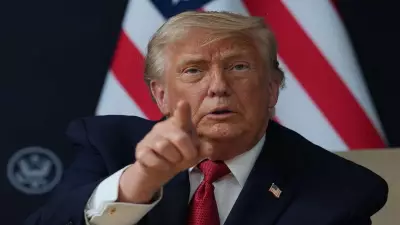
The Epstein files represent a transatlantic story with global political implications. Former US President Donald Trump called the arrest "a shame" and "very sad," adding: "I think it's so bad for the royal family." Such international commentary matters because the monarchy's soft power depends significantly on global perception, and US political and media ecosystems can keep stories alive long after UK institutions might prefer to move forward.
There's also a subtle but significant shift in how Prince Andrew's situation is being managed. For years, he was treated as a palace management problem - with titles removed, public roles stripped, and living arrangements altered. Now it's become a policing problem, with investigators controlling the pace and disclosure of information. This fundamental change alters incentives for everyone involved with the royal family.
Human Dimensions and Delayed Accountability
The reporting surrounding this case includes poignant human elements that complicate the political and institutional analysis. Virginia Giuffre's family released a statement after the arrest: "Today, our broken hearts have been lifted at the news that no one is above the law, not even royalty," while noting she "died by suicide last year."
The Associated Press quoted Amanda Roberts, Giuffre's sister-in-law, describing the emotional whiplash between elation and loss: "We can't tell her how much we love her, and that everything that she was doing is not in vain. We need to unmask the co-conspirators and potential perpetrators. And then we need to see indictments."
What Comes Next: Procedural and Political Implications
The immediate question involves procedural developments: will the case move from "released under investigation" status to formal charges, or will it enter a prolonged limbo that proves corrosive even without court proceedings?
The "released under investigation" designation means Prince Andrew has been neither charged nor cleared, leaving him in a legal state that can linger while inquiries continue. Police have stated they will provide updates "at the appropriate time," signaling a potentially extended investigation window that could keep the story in public consciousness for months or years.
Even without formal charges, the spectacle of an active police inquiry involving a senior royal can revive fundamental debates about formal roles, privileges, and proximity to state power. These debates intensify if the public perceives institutional shielding or if the palace appears more focused on "managing optics" than embracing genuine transparency.
The Bottom Line: A Constitutional Crossroads
The Epstein files alone probably won't bring down the British monarchy. However, the combination of a royal arrest, allegations tied to official duties, and declining public deference gives republican movements their clearest opening in decades. Simultaneously, it presents King Charles with his most significant legitimacy test since ascending the throne.
This investigation represents more than just another royal scandal - it marks a potential turning point in how British institutions approach royal privilege and accountability. As Bloomberg highlighted with the legal-cultural premise: "Be ye never so high, the law is above you." How this principle applies to the monarchy in practice will shape the institution's future in ways that extend far beyond any single individual's legal fate.