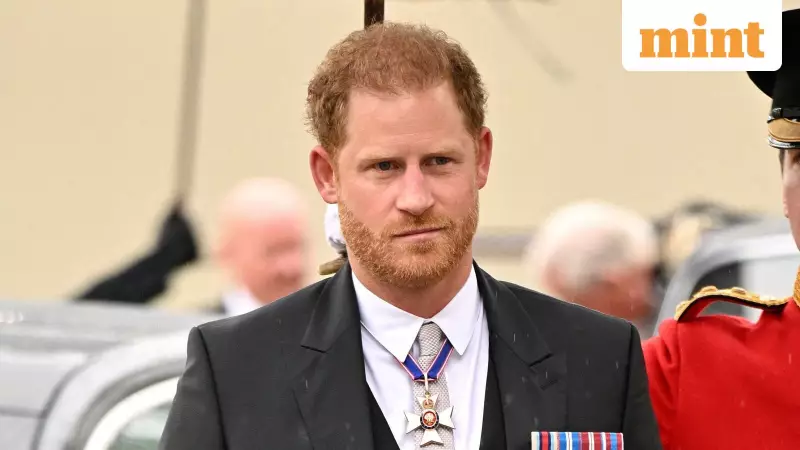
Prince Harry, the Duke of Sussex, landed in London on Monday. He came to start a high-profile privacy lawsuit against the publisher of the Daily Mail newspaper.
Royal Courts Appearance
The Duke appeared at the Royal Courts of Justice in central London. Legal proceedings opened against Associated Newspapers Limited, or ANL. This company owns the Daily Mail, Mail on Sunday, and MailOnline. The case could run for nine or ten weeks. Prince Harry will give evidence later this week.
A Group of Claimants
Prince Harry does not stand alone in this legal fight. Several other public figures joined him as claimants. The group includes Sir Elton John and his husband David Furnish. Baroness Doreen Lawrence is also part of the case. Actors Elizabeth Hurley and Sadie Frost joined too. Former politician Sir Simon Hughes completes the list.

All claimants make similar allegations. They say ANL hired private investigators for many years. The company used illegal methods to get personal and confidential information about them.
Core Allegations
The legal action focuses on serious claims. Private investigators allegedly intercepted private information in ways that violated privacy rights. The tactics described include several disturbing methods.
- Tapping into voicemail messages and telephone calls
- Placing listening devices in cars and homes
- "Blagging" confidential medical or financial records through impersonation
- Paying police officers or others for insider information
Lawyers for the claimants call these practices systematic. They describe a sustained campaign of unlawful information gathering over many years.
Prince Harry's Specific Claims
Prince Harry's legal team makes strong statements. They say some details published about him in Daily Mail titles could not have come from lawful sources. Articles about his personal life faced particular scrutiny.
Stories about his relationships, his family, and private arrangements allegedly used information gained through illegal or intrusive methods. The barrister representing the claimants, David Sherborne, spoke clearly in court. He told the High Court about "clear, systematic and sustained use of unlawful information gathering" by the newspaper group.
The Publisher's Defense
Associated Newspapers Limited strongly denies all wrongdoing. The publisher describes the claims as "preposterous smears." They insist all information was obtained legitimately and lawfully.
In written court documents, the company pointed to witness statements. Many journalists and editors denied any illegal conduct. The publisher also raised timing concerns. Much alleged activity happened decades ago, they argue. The claimants waited too long to bring their lawsuits, according to ANL.
Prince Harry's Legal History
This case represents the latest in a series of legal actions by Prince Harry against British newspapers. He previously sued News Group Newspapers, publisher of The Sun and News of the World. That case reached a settlement before trial.
He also took action against Mirror Group Newspapers. The court found unlawful information gathering had occurred there. Prince Harry won damages in that case. In 2023, he made legal history. He became the first British royal family member in 130 years to give live evidence in court during his Mirror Group case.
The Trial Process
The trial before Mr Justice Nicklin follows civil procedures. This means there is no jury. The judge alone will decide the outcome. He will determine if claimants deserve financial damages.
Each claimant will describe how alleged privacy breaches affected their lives. The court will examine evidence over several weeks. The process promises thorough scrutiny of media practices.
More Than Money
For Prince Harry, this legal battle represents something deeper than financial compensation. He has spoken about how press treatment shaped his life. Media attention damaged relationships, he claims.
Returning from his California home, he faces intense media scrutiny once again. He seeks legal accountability in a case that highlights ongoing debates. Press behaviour, privacy rights, and media accountability in the UK all come under examination through this high-profile trial.