Rini Sampath Creates Historic Milestone in Washington DC Politics
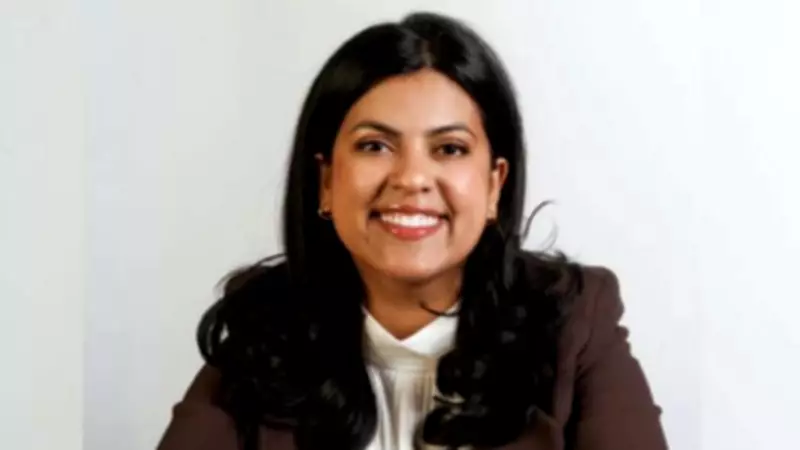
Rini Sampath, an Indian-origin professional, has achieved a groundbreaking political milestone by becoming the first South Asian candidate ever to secure a place on the mayoral ballot in Washington, DC. This historic development marks a significant moment for representation in American politics, particularly for the South Asian community that has long contributed to society while remaining underrepresented in government positions.
From Tamil Nadu to the American Capital
Sampath was born in Theni, Tamil Nadu, and moved to the United States with her family when she was just seven years old. She has called Washington, DC home for over a decade and currently works as a government contractor, bringing practical experience to her political aspirations. Her entry into the 2026 mayoral race comes as the city prepares for what promises to be a highly competitive election cycle.
The election is scheduled for November 3, 2026, with party primaries set for June 16 of that year. At 31 years old, Sampath is running as a Democratic candidate and has deliberately positioned herself as a political outsider, emphasizing that she is not backed by special interest groups and wants to focus on improving fundamental city governance.

The "Fix the Basics" Campaign Platform
Her campaign is built around the compelling theme "Fix the Basics," which centers on addressing everyday civic issues that directly impact residents' quality of life. Sampath has articulated clear priorities that include:
- Repairing and maintaining city roads and infrastructure
- Addressing wastewater problems affecting the Potomac River
- Lowering the high cost of living in the nation's capital
- Improving emergency response times, particularly for 911 services
She has argued forcefully that the current city administration has struggled to deliver essential services effectively, creating a pressing need to refocus on core governmental responsibilities. To qualify for the ballot, Sampath's campaign demonstrated substantial early support by gathering more than 4,500 signatures from registered voters, exceeding the required threshold and signaling genuine grassroots enthusiasm for her candidacy.
Representation and Practical Governance
Sampath has described her mayoral run as both a personal achievement and a broader moment for representation, noting that while South Asians make significant contributions across American society, they remain notably underrepresented in government leadership roles. Her campaign highlights her extensive work in public service and government roles, where she has been actively involved in improving city programs and services for residents.
She believes that her background outside traditional political circles provides a distinct advantage, allowing her to approach administrative challenges with a more practical and direct methodology. This perspective, she argues, enables innovative solutions to persistent urban problems that have frustrated residents for years.
The Competitive Political Landscape
The Washington DC mayoral race is largely dominated by the Democratic Party, making the primary election particularly crucial in determining the eventual winner. Sampath faces several established candidates in what promises to be a closely watched contest. Two of the most prominent competitors include:
- Janeese Lewis George, a sitting councilmember known for her progressive platform and legislative experience
- Kenyan McDuffie, an experienced political leader with strong citywide recognition and established support networks
Both are considered leading contenders with significant political machinery behind them, setting the stage for a compelling primary battle between established insiders and Sampath's outsider approach.

As the campaign progresses, Sampath's historic candidacy represents not just a personal political journey but a potential shift in how Washington, DC addresses its most fundamental governance challenges. Her emphasis on practical solutions over political positioning, combined with her groundbreaking representation of the South Asian community, creates a unique narrative in a city preparing for leadership transition.