Economist Jeffrey Sachs Unleashes Furious Critique of US Foreign Policy and Trump Administration
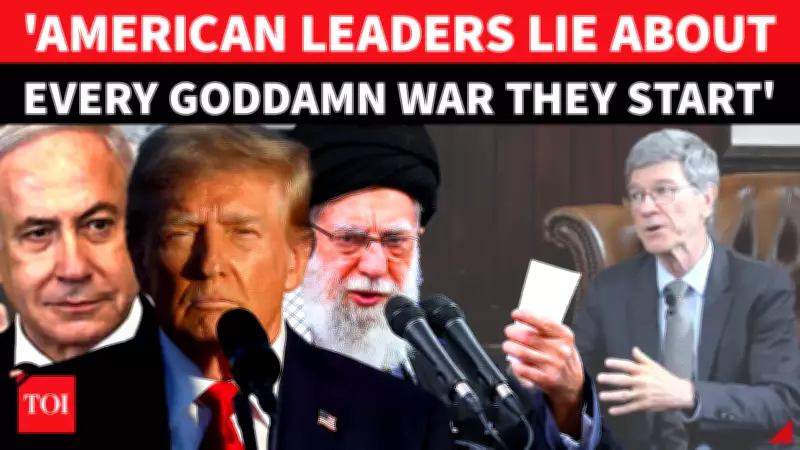
In a remarkable display of frustration, prominent American economist Jeffrey Sachs has launched a blistering attack on United States foreign policy, specifically targeting former President Donald Trump's administration for what he describes as systematic deception regarding military interventions in the Middle East.
Scathing Accusations Against Washington's War Narratives
Sachs, known for his development economics work and United Nations advisory roles, questioned the fundamental functioning of American democracy when it comes to critical life-and-death decisions about warfare. He argued that recent conflicts, particularly those involving Iran, have been "sold" to the American public through carefully crafted narratives and focus-group tested messaging rather than genuine security concerns.
The economist specifically pointed to what he called "phony pretenses" behind US military interventions from Iraq to Syria, suggesting these operations were justified through misleading information and manufactured crises. His critique extends beyond specific administrations to what he views as systemic problems within Washington's foreign policy establishment.

Broader Critique of US Power Politics and Secrecy
Sachs didn't limit his criticism to war justifications alone. He took aim at broader aspects of American foreign policy, including:
- Regime change operations that he claims have destabilized regions without achieving stated objectives
- Excessive secrecy within intelligence agencies like the CIA that prevents public accountability
- A "game" of power politics that prioritizes geopolitical advantage over genuine diplomacy and conflict resolution
"The greatest risks to America come from within our own system," Sachs warned during his remarks, emphasizing that internal political dysfunction and foreign policy failures pose more significant dangers than external rivals like China.
Context of Rising Tensions with Iran
Sachs's comments come amid ongoing tensions between the United States and Iran, with recent reports suggesting the Trump administration had been pushing for more aggressive military postures toward the Islamic Republic. The economist's critique appears particularly focused on what he perceives as manufactured crises and exaggerated threats used to justify potential military action.
His remarks represent a significant departure from typical economic commentary, venturing into geopolitical criticism that challenges fundamental assumptions about how democratic nations make decisions about war and peace. The intensity of his language and specificity of his accusations suggest growing frustration among some foreign policy experts with what they view as recurring patterns in American international behavior.
While Sachs has previously criticized aspects of US foreign policy, the directness and comprehensive nature of this latest critique marks a notable escalation in his public commentary. The economist's background as a development specialist who has worked extensively with international organizations lends particular weight to his warnings about the consequences of military interventions in developing regions.