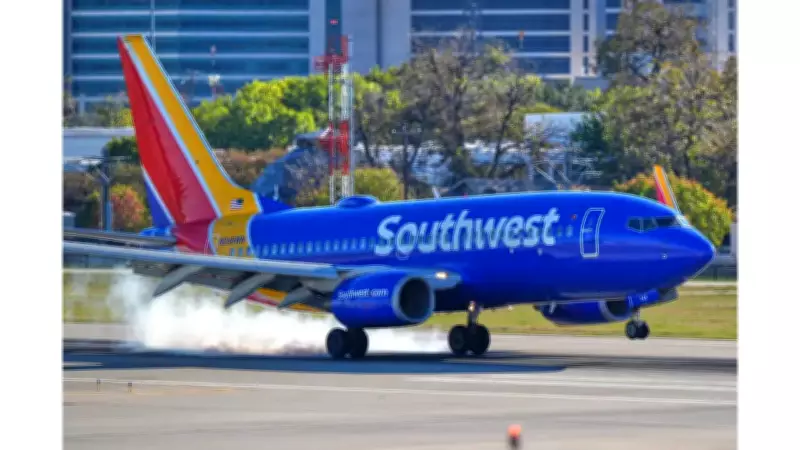
Southwest Airlines Implements Stricter Portable Charger Policy for Enhanced Flight Safety
Air travel regulations concerning portable mobile chargers in the United States are poised for a significant adjustment. Effective April 20, Southwest Airlines will enforce a new policy permitting passengers to carry only a single portable charger onboard. This decisive measure aims to address escalating safety risks associated with lithium battery incidents that have been increasingly reported across the aviation industry.
Specifics of the New Charger Regulations
According to an Associated Press report, the airline has announced that under the updated guidelines, passengers may bring just one portable charger. Crucially, this device must not be placed in checked luggage or stored in overhead bins. Instead, it must remain accessible and visible during the flight. This requirement ensures that flight attendants can promptly respond if the charger overheats, a scenario that has become more frequent as travelers carry more electronic devices.
Southwest's rule is notably more stringent than the recent recommendation from the International Civil Aviation Organization (ICAO), which allows passengers to carry up to two chargers. However, the airline clarified that it will not actively search bags or confiscate extra chargers. Instead, it will focus on informing passengers about the risks during the booking process and at airport terminals, emphasizing voluntary compliance.

Growing Concerns Over Lithium Battery Incidents
The policy update comes amid a documented steady rise in battery-related incidents on aircraft. Regulatory bodies and safety groups have reported increasing numbers of such events, prompting airlines to tighten guidelines and enhance traveler awareness about potential hazards.
"A huge part of the concern here is seeing that number of incidents continue to increase, correlating, of course, to the number of devices that people are bringing on planes," stated Jeff Marootian, CEO of UL Standards & Engagement. The Federal Aviation Administration (FAA) reported 97 lithium battery-related incidents in 2025 alone, reflecting this upward trend as more passengers travel with phones, tablets, laptops, and portable chargers.
UL Standards & Engagement further noted that it records approximately two such incidents each week, with a 42% increase in cases involving portable chargers specifically in 2025. This alarming statistic underscores the urgency behind Southwest's proactive measures.
Airlines' Safety Preparations and Future Initiatives
In response to these risks, airlines have equipped crew members with specialized safety gear, including fire-resistant bags and insulated gloves designed to contain overheating devices. "The new policy will strengthen our ability to contain and mitigate lithium battery incidents, including reducing the risk of battery fires," explained Dave Hunt, Southwest's Vice President of Safety and Security.
Highlighting the potential severity, aviation safety expert Steve Arroyo warned, "It can turn into something very serious very quickly." This sentiment was echoed by a recent incident where a fire broke out on an Air Busan plane before takeoff in South Korea, necessitating the evacuation of 176 passengers.
Looking ahead, Southwest Airlines plans to introduce in-seat power across its entire fleet by mid-next year. This initiative aims to reduce passengers' reliance on portable chargers, thereby mitigating associated risks. Such infrastructural upgrades, combined with stricter carry-on policies, represent a comprehensive approach to enhancing aviation safety in the face of evolving technological challenges.