

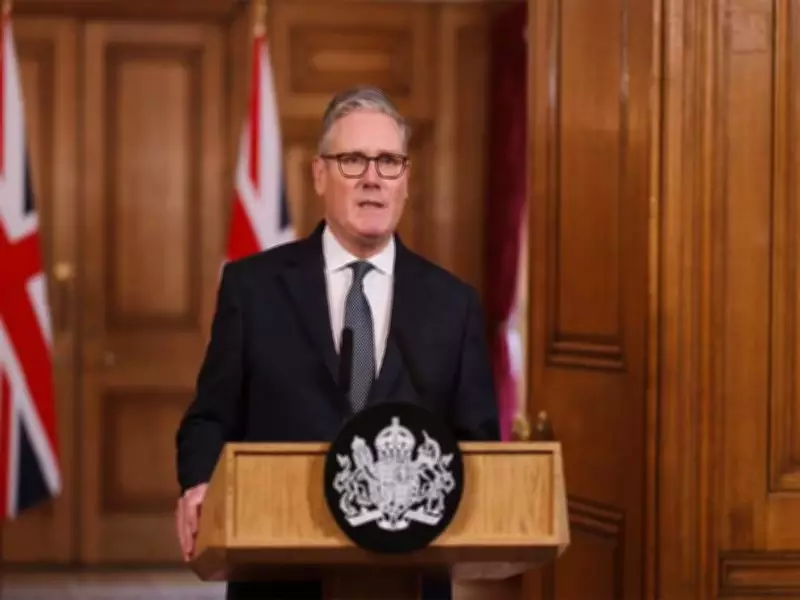
UK Prime Minister Keir Starmer Unveils Five-Point Strategy to Combat Soaring Energy Costs
In a significant policy announcement, UK Prime Minister Keir Starmer has introduced a detailed five-point plan aimed at addressing the escalating energy bills affecting households across the nation. This initiative comes at a critical time, as the ongoing crisis in the Middle East continues to disrupt global energy markets, putting additional pressure on consumers already grappling with high costs.
Key Components of Starmer's Energy Plan
The plan is structured around five core pillars designed to provide immediate relief and long-term stability. Firstly, it emphasizes a rapid expansion of renewable energy sources, including wind and solar power, to reduce dependency on volatile international markets. Secondly, the strategy includes measures to enhance energy efficiency in homes and businesses, such as subsidies for insulation and smart meter installations.
Thirdly, Starmer's plan proposes stricter regulations on energy suppliers to prevent excessive pricing and ensure fair treatment of consumers. Fourthly, it outlines support for vulnerable groups, including low-income families and the elderly, through targeted financial assistance programs. Finally, the government aims to invest in domestic energy infrastructure to bolster resilience against future shocks.

Impact of Middle East Crisis on Energy Markets
The timing of this announcement is crucial, as tensions in the Middle East have led to fluctuations in oil and gas prices worldwide. These disruptions have exacerbated the financial strain on UK households, with many facing unaffordable energy bills. Starmer highlighted that his plan is not only a response to domestic concerns but also a proactive step to mitigate the effects of international instability.
By focusing on renewable energy, the UK seeks to insulate itself from geopolitical risks, reducing reliance on imports from conflict-prone regions. This approach aligns with broader global efforts to transition to sustainable energy systems, which are seen as more secure and environmentally friendly.
Public and Expert Reactions
Initial reactions to the plan have been mixed. Consumer advocacy groups have praised the emphasis on protection for vulnerable populations, calling it a necessary intervention in a challenging economic climate. However, some industry experts have raised concerns about the feasibility of rapid renewable expansion, citing logistical and financial hurdles.
Opposition parties have also weighed in, with critics arguing that the plan lacks sufficient detail on funding and implementation timelines. Despite this, Starmer remains confident that his strategy will deliver tangible benefits, promising regular updates and adjustments based on real-world outcomes.
Looking Ahead: Implementation and Challenges
The success of Starmer's five-point plan will depend on effective execution and collaboration with various stakeholders, including energy companies, local governments, and international partners. As the Middle East crisis continues to evolve, the UK's ability to adapt its energy policies will be critical in ensuring long-term affordability and security for its citizens.
This initiative marks a pivotal moment in the UK's energy landscape, reflecting a shift towards more resilient and sustainable solutions in the face of global uncertainties.






