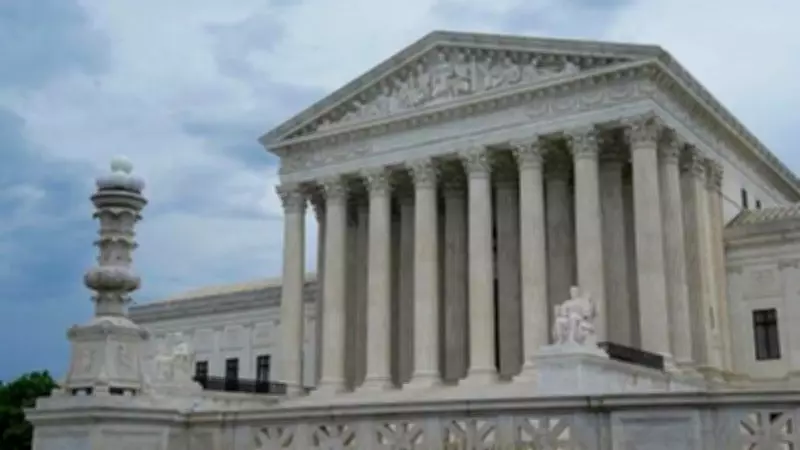
The US Supreme Court has refused to allow a Rastafarian man who was forcibly shaved bald in prison to sue the guards involved, dealing a final blow to his religious discrimination claim. The decision, announced on June 23, 2026, upholds lower court rulings that the guards were entitled to qualified immunity.
Background of the Case
The plaintiff, a Rastafarian inmate, alleged that prison guards violated his First Amendment religious rights by shaving his beard and hair without his consent. Rastafarianism considers uncut hair and beards as sacred. The incident occurred while he was incarcerated in a US state prison.
The inmate sought to hold the guards personally liable for damages, but lower federal courts ruled that the guards had qualified immunity, a legal doctrine that shields government officials from lawsuits unless they violate clearly established law.

Supreme Court's Decision
The Supreme Court declined to hear the case, leaving the lower court rulings in place. The decision was made without comment, as is typical for denials of certiorari. President Donald Trump's administration had filed a brief urging the justices to revive the case, arguing that the lower courts had applied qualified immunity too broadly. However, the Court's refusal means the inmate cannot proceed with his lawsuit.
Impact and Reactions
Religious liberty advocates expressed disappointment, arguing that the decision undermines protections for minority faiths in the prison system. Legal experts note that the case highlights ongoing debates about qualified immunity, which has faced criticism for making it difficult to hold law enforcement accountable. The inmate's lawyers had argued that forcibly shaving a Rastafarian inmate violated clearly established religious rights, but the courts disagreed.
According to Reuters, the Supreme Court's denial effectively ends the lawsuit, barring any further appeals. The case drew attention due to the Trump administration's unusual support for the inmate, as the Department of Justice typically defends government officials in such cases.