Texas Congressman's Viral Remarks Ignite Fierce Immigration Debate
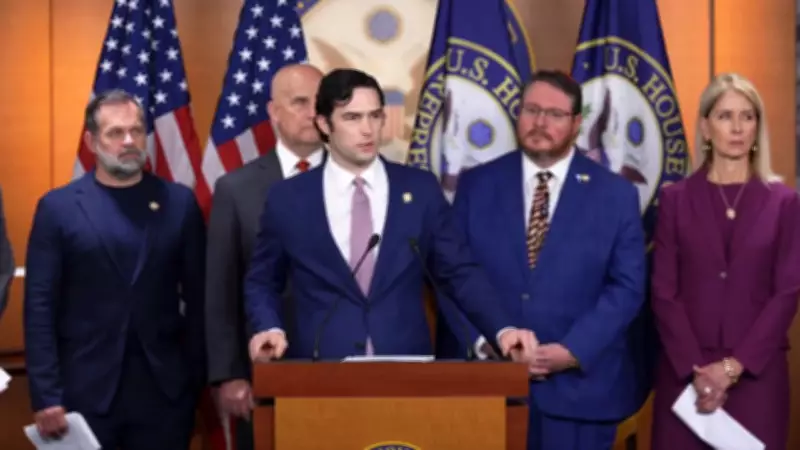
Texas lawmaker Brandon Gill has sparked a heated online controversy following his recent congressional speech on immigration and Islam. The Republican representative posted a video of his House floor remarks that quickly went viral, attracting millions of views and tens of thousands of reactions across social media platforms.
Gill's Controversial Claims About Immigration and Security
In his widely circulated speech, Gill argued that what he termed "radical Islam" has been imported into the United States through recent immigration policies, posing what he described as a significant threat to American values and constitutional order. The congressman specifically drew comparisons with Europe, warning that similar immigration approaches there have resulted in what he characterized as security vulnerabilities, social tensions, and cultural challenges.
"Islam did not arrive in America with our country's founding," Gill asserted during his address, linking contemporary immigration patterns to the potential spread of extremist ideology. He framed his argument primarily around national security concerns, suggesting that the United States should learn from what he perceives as Europe's negative experiences with migration policies.

The European Context and Parallel Debates
While Gill did not cite specific European countries or policies in his speech, his language reflects arguments frequently advanced by critics of large-scale migration in Europe over the past decade. Supporters of Gill's position typically reference a combination of security incidents and social challenges across European nations.
These references often include:
- Jihadist attacks in major European cities including Paris, Brussels, Manchester, and London since 2014
- Concerns about radicalization within prison systems
- Perceived failures of integration in certain urban areas
- The emergence of what some describe as "parallel societies" in European cities
Gill's warnings align with ongoing debates in countries like France, Germany, and Sweden, where governments continue to navigate complex questions about balancing religious freedom with secular law amid concerns about extremist preaching, antisemitic violence, and public order maintenance.
Polarized Online Reactions and Political Divisions
The viral video prompted sharply divided responses across social media platforms. Supporters praised Gill for what they characterized as "blunt honesty" about immigration and national security concerns. Many approving comments echoed his argument that radical Islamist ideology conflicts with Western constitutional systems, with some supporters calling for stricter US immigration controls based on their interpretation of European experiences.
Conversely, numerous critics challenged Gill's framing, arguing that his remarks inappropriately conflated Islam as a religion with extremist movements. Detractors also noted that his historical perspective overlooked the long presence of Muslims in America, including enslaved Africans brought to North America during the 18th century.
The Sharia Free America Caucus Connection
Gill has further amplified the controversy by promoting his involvement with the Sharia Free America Caucus, a congressional group launched in January 2026 by Representatives Keith Self and Chip Roy. According to its organizers, the caucus aims to prevent any incorporation of Sharia law into US governance systems.
The group reportedly expanded rapidly during its initial weeks, drawing members from 17 different states. Supporters describe the caucus as a symbolic defense of constitutional law, while critics argue it addresses a problem that doesn't exist in American courts and risks stigmatizing Muslim communities.
A Deepening Political Fault Line
The intense reaction to Gill's comments underscores persistent divisions in American politics concerning immigration, religion, and national identity. Similar arguments have surfaced repeatedly following terrorist attacks in Europe or during periods of increased migration to Western nations.

As Gill's video continues circulating online, his remarks have become another flashpoint in the broader national conversation about how the United States should balance immigration policy, national security considerations, and religious freedom in an era of significant global migration patterns. The debate reflects fundamental disagreements about America's identity and values that continue to shape political discourse across the country.