

Trump's Dramatic Immigration Reversal in Minnesota
The fatal shooting of a 37-year-old ICU nurse by federal immigration agents in Minneapolis triggered a remarkable 48-hour policy reversal from President Donald Trump, exposing deep divisions within his administration over immigration enforcement tactics.
The Shooting That Changed Everything
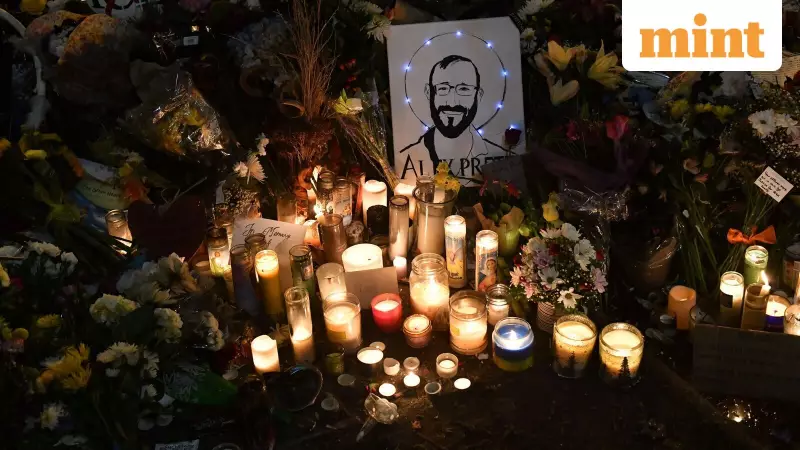
On January 24, federal agents shot and killed Alex Pretti, a U.S. citizen and intensive-care nurse, during immigration enforcement operations in Minneapolis. The incident immediately reignited accusations that agents enforcing Trump's militarized immigration crackdown were inexperienced, under-trained and operating outside normal law enforcement protocols.
Initial administration narratives quickly unraveled. Homeland Security Secretary Kristi Noem had labeled Pretti's actions domestic terrorism, alleging he attacked officers while brandishing a gun. Border Patrol Commander Gregory Bovino claimed Pretti wanted to massacre law enforcement, while immigration architect Stephen Miller called him a "would-be assassin."

Political Pressure Mounts
As cable news repeatedly aired footage of the shooting, Trump watched from the Oval Office while a winter storm approached Washington. Within days, Republican lawmakers and allies warned the president he was squandering public support for his signature campaign issue.
Even normally steadfast gun rights advocates criticized administration officials for condemning Pretti's gun possession during protests, especially after Minnesota officials confirmed he had a permit to carry the weapon.
The 48-Hour Pivot
Trump's frustration grew as the official narrative collapsed. Approximately 48 hours after the shooting, he decided to pull back one of his administration's most high-profile and divisive immigration-enforcement campaigns in Minnesota.
The president fielded calls from anxious Republicans, including Senator Lindsey Graham, who urged Trump to change the narrative away from the shooting's grisly visuals. Graham emphasized that the footage was overshadowing successes in other immigration agenda areas.
Administration Reshuffle
By Monday's end, significant changes were underway. Tom Homan, Trump's border czar who advocated for more targeted deportation approaches, was en route to Minneapolis to take charge. Meanwhile, Gregory Bovino, the face of the hard-edge approach in Minnesota, was leaving the state.
Trump surprised aides by announcing on social media that Homan would report directly to him, describing his longtime adviser as "tough but fair." The president then negotiated with Minnesota Governor Tim Walz and Minneapolis Mayor Jacob Frey, offering to reduce federal agents in exchange for closer cooperation on immigration enforcement.
Internal Administration Divisions
The episode highlighted simmering debates within Trump's administration. Over the past year, hard-line aides including Noem and her adviser Corey Lewandowski pushed for aggressive street sweeps in liberal cities. In contrast, Homan and others favored methodical approaches targeting immigrants with criminal histories or final deportation orders.
White House press secretary Karoline Leavitt sought to cool tensions, distancing Trump from some advisers' rhetoric while continuing to blame Democratic leaders for fomenting protests. "Nobody here at the White House, including the president of the United States, wants to see Americans hurt or killed and losing their lives in American streets," she told reporters.
Broader Political Implications
Trump's reversal marked a stunning shift on policy central to his political identity, especially for a president who typically rewards advisers for doubling down against opposition. His concerns grew as cable news commentators picked apart his immigration officials' comments, with even allies noting their words weren't supported by video evidence.
Former Representative Trey Gowdy, an occasional Trump golf partner, stated on Fox News: "We certainly should not be labeling him as being a domestic terrorist who is going to execute cops. There's no evidence to support that." Republican Senators John Curtis and Susan Collins also expressed criticism of the administration's response.

Pattern of Policy Shifts
This episode continues a pattern of Trump policy reversals. Earlier in January, he floated seizing Greenland before changing course, and he praised British soldiers after initially criticizing NATO allies' combat roles in Afghanistan.
The Minnesota shooting followed another fatal incident less than three weeks earlier, when an ICE agent killed 37-year-old mother Renee Good during Minneapolis operations. Recent polls had already shown Trump losing immigration support before these events.
Future Enforcement Direction
Administration officials described Trump's elevation of Homan as a "reset" in Minnesota approach, arguing he's well-suited to encourage cooperation between different government levels. While Noem and Lewandowski favored broader city sweeps, Homan and current ICE acting director Todd Lyons advocate for focused enforcement against immigrants with criminal histories or final deportation orders.
Despite the shift, Trump made clear he'll continue focusing on immigration issues in Minnesota while rethinking enforcement strategies. The Department of Homeland Security maintained unity, with an official stating: "DHS is one team, and we have one fight, to secure the homeland."
The full ramifications of Trump's decision remain unclear, but administration advocates for measured immigration enforcement felt buoyed by Homan's promotion, seeing it as validation of their strategic approach.





