In a significant development that casts doubt on Moscow's narrative, US President Donald Trump has publicly dismissed the Kremlin's claim that Ukraine targeted a residence of Russian President Vladimir Putin in a drone attack. The statement, made on Sunday, January 5, 2026, directly contradicts assertions from Russian officials and adds a new layer of complexity to the already fragile peace negotiations.
Trump's On-the-Record Denial
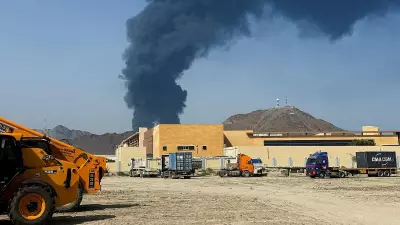
Speaking to reporters while returning to Washington aboard Air Force One, President Trump stated that American intelligence assessments found no proof to support the Russian allegation. "Something happened nearby," Trump acknowledged, "but we don't believe that strike happened, now that we've been able to check." He clarified that while there may have been some drone activity in the general vicinity, Putin's personal residence was not the intended target.
This clarification from the White House followed strong allegations from Russian Foreign Minister Sergey Lavrov. Lavrov had accused Kyiv of launching a wave of drones at Putin's state residence in the northwestern Novgorod region, an attack he claimed was successfully repelled by Russian air defences. Lavrov further criticised Ukraine for timing the alleged strike just as negotiations to end the prolonged war were gaining intensity.

A Claim Amid Crucial Peace Talks
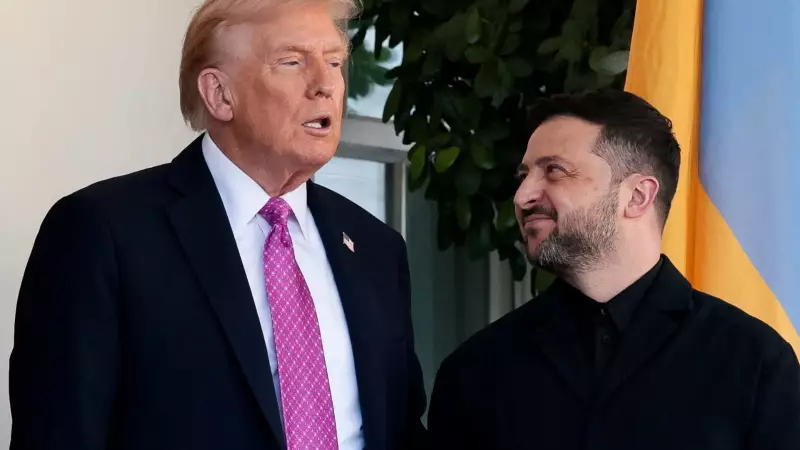
The timing of the Russian claim is viewed with deep suspicion by Western observers. It emerged merely a day after Ukrainian President Volodymyr Zelenskyy travelled to Florida for critical discussions with Trump. Their talks at the Mar-a-Lago resort focused on the U.S. administration's evolving 20-point plan aimed at brokering an end to the conflict. Zelenskyy immediately and firmly denied any involvement in such an attack.
European officials have suggested that Moscow's unverified claim was a deliberate attempt to undermine the ongoing peace efforts. Trump's latest remarks align with this perspective, though he had initially appeared to accept the Russian version. Earlier in the week, he told reporters that Putin had raised the issue during a phone call between the two leaders and was "very angry" about the accusation.
The Broader Struggle for a Settlement
This incident highlights the immense challenges President Trump faces in fulfilling his campaign promise to swiftly conclude the war in Ukraine. He has expressed mounting frustration with both Zelenskyy and Putin as he attempts to mediate a settlement for a conflict he once claimed he could end in a single day.
While Trump and Zelenskyy indicated that some progress was made during their Florida talks, the path to peace remains steep. President Putin has shown little indication of willingness to end the war unless Russia's core objectives are met. These are understood to include full control of Ukraine's industrial Donbas region and the imposition of strict limits on the size and capabilities of a post-war Ukrainian military.
The conflicting accounts of the drone incident now threaten to become a fresh point of contention, testing the credibility of the parties involved and the resilience of the diplomatic process at a particularly delicate juncture.