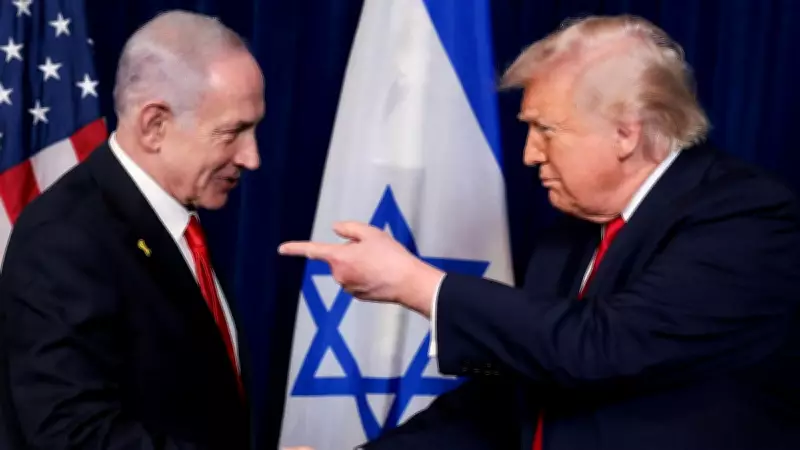
Trump Declares Iran War Termination as Mutual Decision with Netanyahu
In a significant statement, former United States President Donald Trump has asserted that any move to conclude a potential war with Iran would be a joint decision made in coordination with Israeli Prime Minister Benjamin Netanyahu. This announcement underscores the deep-seated strategic partnership between the United States and Israel, particularly under Trump's administration, which has historically taken a hardline stance against Iran's nuclear ambitions and regional activities.
Emphasis on Bilateral Coordination
Trump highlighted that the decision-making process regarding Iran would not be unilateral but rather a collaborative effort, reflecting the strong alliance between the two nations. He emphasized that such critical matters of state, especially those involving military conflicts in the volatile Middle East, require mutual agreement to ensure stability and shared security interests.
This approach aligns with Trump's previous policies, which often prioritized close ties with Israel, including moves like recognizing Jerusalem as Israel's capital and brokering normalization deals between Israel and Arab states. The statement comes amid ongoing tensions in the region, where Iran's nuclear program and support for proxy groups have long been points of contention with the US and its allies.

Context of US-Israel Relations and Regional Dynamics
The relationship between the US and Israel has been a cornerstone of American foreign policy, with Trump's tenure marked by unprecedented support for Israeli positions. His administration withdrew from the Iran nuclear deal in 2018, reimposing sanctions and escalating pressure on Tehran, actions that were widely praised by Netanyahu's government.
By framing war termination as a mutual decision, Trump reinforces the idea that Israel plays a pivotal role in US strategic calculations in the Middle East. This could have implications for future diplomatic or military actions, suggesting that any de-escalation with Iran would require Israeli consent, potentially complicating efforts by other nations or international bodies to mediate conflicts in the region.
Potential Implications and Reactions
This declaration may influence political discourse and policy debates, especially as it relates to:
- US Foreign Policy: It signals a continued alignment with Israeli interests, which could shape future administrations' approaches to Iran.
- Regional Stability: The emphasis on joint decision-making might affect negotiations or conflict resolution efforts involving Iran and other Middle Eastern countries.
- International Relations: Allies and adversaries alike may interpret this as a reaffirmation of the US-Israel bond, impacting global diplomacy.
Overall, Trump's statement adds a new layer to the complex geopolitics of the Middle East, highlighting the intertwined nature of US and Israeli strategies in dealing with Iran. As tensions persist, such mutual agreements could play a crucial role in shaping the trajectory of potential conflicts or peace initiatives in the region.