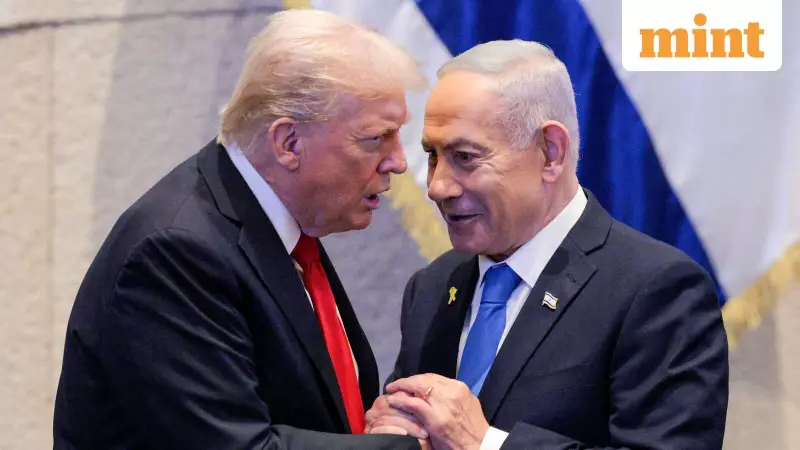
In a significant diplomatic move, former US President Donald Trump has extended an invitation to Israeli Prime Minister Benjamin Netanyahu for a meeting at the White House. This development follows a detailed telephone conversation between the two leaders on Monday, which centred on the ongoing situation in Gaza, the threat posed by Hamas, and the broader prospects for peace in the region.
Details of the Trump-Netanyahu Phone Call
The discussion, confirmed by a statement from the Israeli Prime Minister's office, covered several critical issues. Both leaders emphasised the crucial need to disarm Hamas and completely demilitarise the Gaza Strip. Furthermore, they talked about ways to expand the existing peace agreements in the Middle East, a signature foreign policy achievement from Trump's previous term.
The official statement explicitly noted, "US President Trump invited Prime Minister Netanyahu to a meeting at the White House in the near future." However, no specific date or precise timeframe for this high-profile meeting was provided, leaving the exact schedule open.

Context of the Upcoming Meeting
This planned summit between Trump and Netanyahu comes against a complex geopolitical backdrop. Primarily, it follows a peace plan for Gaza that was brokered by Donald Trump himself. The stability of this proposed plan, however, remains under a cloud of uncertainty. Israeli military operations continue in parts of Gaza, with Israel citing violations of the current truce as the reason for its actions.
Adding another layer to the context is a recent warning from Trump directed at Israel. Just days after a deadly Israeli operation in Syria, Trump used his Truth Social platform to advise caution. He stated it was "very important that Israel maintain a strong and true dialogue with Syria" and that nothing should interfere with Syria's path to becoming a prosperous state. This comment subtly frames the regional constraints within which the upcoming talks will occur.
Implications and the Road Ahead
The invitation signals a potential re-engagement of Trump's direct, personal diplomacy in one of the world's most volatile conflicts. The meeting's agenda will likely focus on solidifying the Gaza peace framework and addressing the disarmament of Hamas. The continuation of Israeli operations, however, poses a direct challenge to the durability of any negotiated settlement.
Analysts will be watching closely to see how the discussion on "expanding peace agreements" materialises, potentially involving other regional players. The outcome of this White House meeting could significantly influence the short-term trajectory of the Israel-Hamas conflict and the wider Middle East peace process.
The story is still developing, and further updates are expected once a meeting date is finalized and more details from the preparatory discussions emerge.