

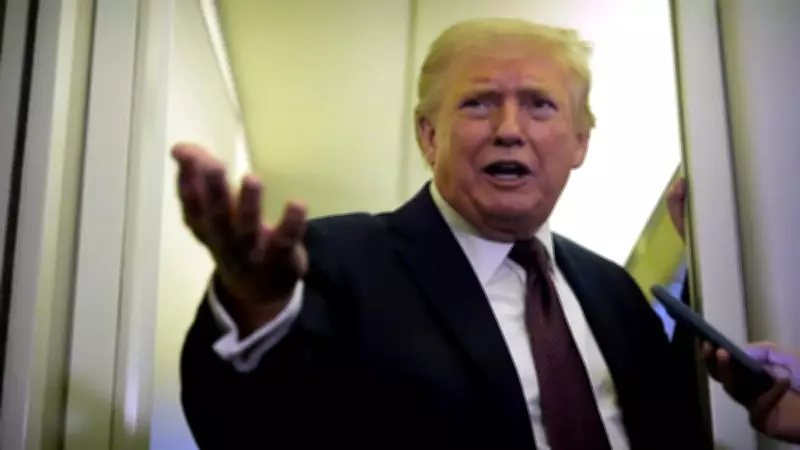
Trump Condemns Allies Over Iran War, Calls for Independent Oil Security
In a sharp rebuke to Western allies, former US President Donald Trump has lashed out amid escalating tensions with Iran, asserting that securing the Strait of Hormuz is not America's sole responsibility. Trump emphasized that allies should take charge of protecting their own oil supplies, rather than relying on US military intervention in the volatile West Asia region.
Escalating Iran Conflict Sparks Diplomatic Tensions
The ongoing conflict with Iran has intensified, with recent military skirmishes threatening global oil routes through the strategic Strait of Hormuz. Trump's comments come as Western nations grapple with the economic and security implications of the crisis, which has disrupted oil markets and heightened fears of a broader regional war.
Trump stated bluntly, "Go get your oil—securing the Strait of Hormuz is not for us." This remark underscores his long-standing stance on reducing US involvement in foreign conflicts and shifting the burden onto allies for their energy security.

Global Reactions and Strategic Implications
International leaders have responded with mixed reactions to Trump's outburst. Some European and Asian allies expressed concern over the potential vacuum in maritime security, while others acknowledged the need for greater self-reliance in oil protection. The Strait of Hormuz, a critical chokepoint for global oil shipments, sees nearly 20% of the world's oil pass through its waters, making its security a paramount issue for energy-dependent nations.
- Increased military patrols by regional powers in response to the crisis.
- Economic analysts warn of rising oil prices due to supply chain disruptions.
- Diplomatic efforts are underway to de-escalate tensions and ensure safe passage for oil tankers.
Historical Context and Policy Shifts
Trump's criticism aligns with his previous policies during his presidency, where he often challenged NATO and other allies to contribute more to collective defense. The current Iran conflict highlights ongoing debates about US foreign policy and the role of international coalitions in maintaining global stability. Experts note that this stance could reshape alliances and security strategies in West Asia, potentially leading to a more fragmented approach to regional conflicts.
As the situation evolves, stakeholders are closely monitoring developments, with updates expected to influence both geopolitical dynamics and global energy markets in the coming weeks.






