Trump's Approval Rating Hits Second-Term Low Amid Eroding Indian-American Support
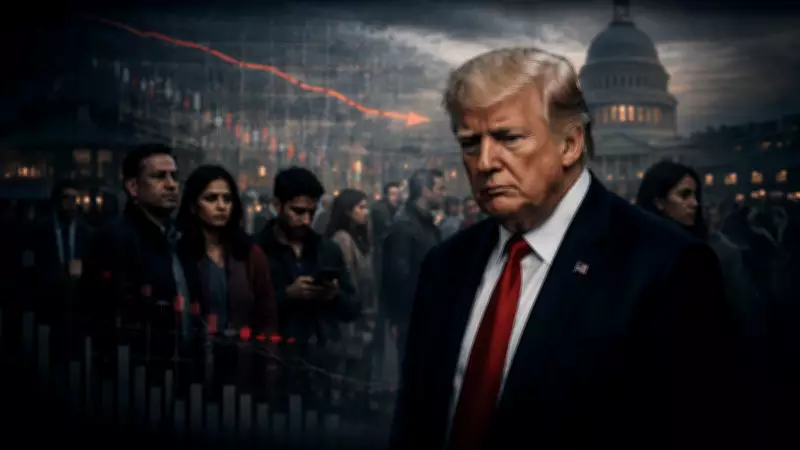
Recent polling data reveals a significant decline in Donald Trump's approval ratings, marking the weakest point of his second term in office. According to Nate Silver's polling average, Trump's net approval stood at a concerning -16.3 in early April 2026. This figure followed an even lower second-term trough recorded just a few days earlier, highlighting a persistent downward trend in public perception of his presidency.
Economic and Policy Ratings Under Pressure
The erosion of support extends beyond general approval metrics. Trump's ratings on critical issues such as the economy, inflation, and trade have also come under substantial pressure. These areas, which are often pivotal for voter confidence, show declining satisfaction among the electorate, contributing to the overall negative trajectory of his political standing.
Indian-American Support Declines Before Iran Conflict
Notably, the decline in Trump's approval began earlier than the recent Iran war, which has since pushed his presidency into a more volatile and challenging phase. This pre-conflict erosion is particularly evident among Indian-Americans, a demographic that had previously shown varying levels of support. The weakening backing from this community suggests broader dissatisfaction with Trump's policies and leadership style, independent of the later international tensions.

- Net approval rating dropping to -16.3 in early April 2026.
- Economic, inflation, and trade ratings facing increased scrutiny.
- Indian-American support eroding prior to the Iran war escalation.
- Overall second-term performance hitting record lows in polling averages.
The data underscores a critical period in Trump's second term, where domestic and international challenges converge to impact his political viability. As the Iran conflict adds complexity to his presidency, the earlier loss of support among key groups like Indian-Americans may signal deeper issues that could influence future electoral dynamics and policy directions.