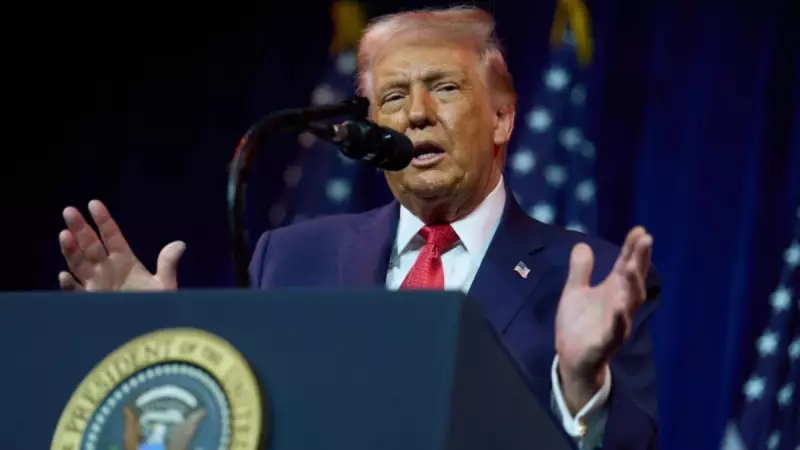
In a significant development impacting global energy markets and diplomacy, former United States President Donald Trump has announced a pivotal agreement with Venezuela. The deal permits the South American nation to resume selling its oil on the international market. However, this financial lifeline comes with a stringent and unprecedented condition attached.
The Core Condition: A Boost for American Manufacturing
The central pillar of this arrangement, as revealed by Trump, is a mandate on how Venezuela can use the revenue generated from its oil sales. All money earned from the oil deal must be exclusively used to purchase products manufactured in the United States. This directive is clearly designed to channel funds directly back into the American economy, supporting US factories and jobs.
Trump framed this condition as a strategic move for American interests. He emphasized that the deal would not only address issues related to Venezuela's oil-dependent economy but also serve as a direct stimulus for US industries. The former president positioned it as a win-win scenario, where Venezuela gains access to crucial funds while the United States secures a guaranteed buyer for its goods.

Geopolitical Context and Implications
This announcement marks a potential shift in the complex and often strained relations between the United States and Venezuela. For years, the US has maintained a series of strict economic sanctions on Venezuela's crucial oil sector, crippling the nation's primary source of income. These sanctions were part of a broader pressure campaign targeting the government of President Nicolás Maduro.
The proposed deal, as outlined by Trump, suggests a possible easing of these restrictive measures, albeit with very specific strings attached. It represents a transactional approach to foreign policy, where economic leverage is used to achieve domestic economic goals. The move is likely to be scrutinized by allies and critics alike, with debates focusing on its impact on Maduro's government and the Venezuelan people.
Analysts will be watching closely to see how this condition is implemented and enforced. Key questions remain regarding the monitoring of fund allocation and the types of US products Venezuela would be required to purchase. Potential areas could include agricultural equipment, medical supplies, or consumer goods.
Reactions and Future Roadmap
While Trump's announcement sets the stage, the practical execution of such a deal involves navigating a web of legal and diplomatic channels. The response from the current US administration and Congress will be critical in determining its viability. Furthermore, the official reaction from the Venezuelan government regarding the restrictive spending clause is still awaited.
The deal, if realized, could have ripple effects beyond the two nations directly involved. It may influence global oil prices by bringing more Venezuelan crude to the market. Additionally, it sets a notable precedent for linking international resource agreements directly to domestic manufacturing purchases, a model other nations might consider.
Ultimately, this development underscores the intertwining of global energy politics and economic policy. The condition that Venezuela must buy only US-made products with its oil revenue transforms a simple trade permit into a targeted instrument of economic policy. The world will be watching to see if this novel approach becomes a new template for international deals or remains a unique chapter in US-Venezuela relations.