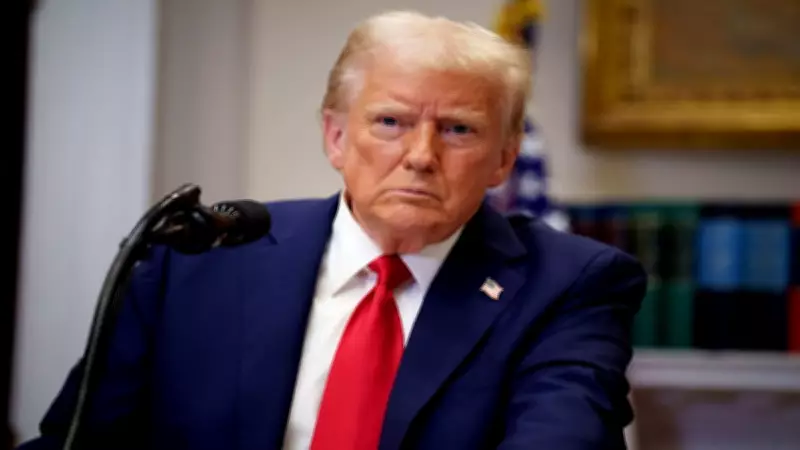
Trump Downplays Oil Price Surge as Minor Cost in Iran Nuclear Standoff
Former US President Donald Trump has publicly dismissed the recent surge in global oil prices, characterizing it as a very small price to pay for the critical objective of neutralizing Iran's nuclear threat. This statement comes amid escalating tensions in the Middle East and growing concerns over economic stability worldwide.
Context of the Oil Price Increase
The oil market has experienced significant volatility, with prices climbing due to geopolitical uncertainties and supply chain disruptions. Analysts attribute part of this surge to actions taken by the Trump administration during his tenure, including sanctions and diplomatic maneuvers aimed at curbing Iran's nuclear ambitions.
Trump's Perspective on National Security
In his remarks, Trump emphasized that national security priorities must outweigh economic considerations. He argued that allowing Iran to develop nuclear capabilities poses a far greater risk to global stability than temporary fluctuations in oil prices. This stance reflects his long-standing hardline approach to foreign policy, particularly regarding Iran.

Global Economic Implications
The rise in oil prices has sparked worries among economists and policymakers, as it can lead to:
- Increased inflation rates in consumer goods and services.
- Higher transportation and manufacturing costs globally.
- Potential slowdowns in economic growth for oil-importing nations.
Despite these concerns, Trump maintained that the strategic benefit of countering Iran's nuclear program justifies the economic toll.
Reactions from the International Community
Responses to Trump's comments have been mixed. Some allies support the focus on non-proliferation, while others criticize the downplaying of economic hardships faced by ordinary citizens. The situation highlights the ongoing debate between security measures and their economic consequences in international relations.
As the world navigates these complex issues, the balance between energy costs and geopolitical strategies remains a pivotal topic for global leaders and analysts alike.