

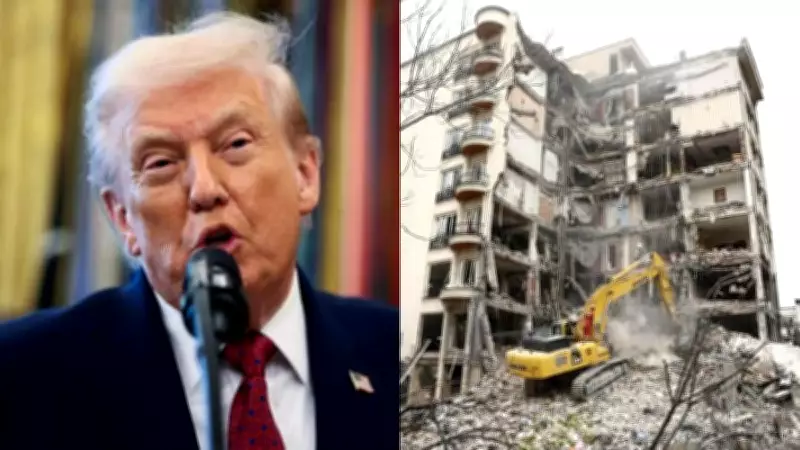
Trump Asserts US and Iran Conducted Strong Negotiations for Deal
Former President Donald Trump has made a public statement claiming that the United States and Iran held what he described as "strong talks" aimed at reaching a new deal. According to Trump, these discussions were part of ongoing diplomatic efforts to address key issues between the two nations, potentially involving nuclear agreements or broader foreign policy matters. He emphasized the significance of these talks, suggesting they could have led to a breakthrough in US-Iran relations if pursued further.
Tehran Firmly Denies Trump's Claims of Diplomatic Engagement
In response to Trump's assertions, Iranian officials have categorically refuted the former president's claims. Tehran stated that no such high-level or substantive talks took place during Trump's tenure or afterward, dismissing his comments as inaccurate and misleading. Iranian representatives highlighted that their government has consistently maintained a stance of non-engagement with the US under certain conditions, particularly following the US withdrawal from the Joint Comprehensive Plan of Action (JCPOA) in 2018.
Background on US-Iran Relations Under Trump's Administration

The relationship between the US and Iran has been marked by significant tension, especially during Trump's presidency. Key events include:
- The US withdrawal from the Iran nuclear deal in 2018, which Trump criticized as flawed.
- Increased sanctions on Iran, impacting its economy and international trade.
- Military escalations, such as the 2020 drone strike that killed Iranian General Qasem Soleimani.
These actions contributed to a strained diplomatic environment, making the prospect of "strong talks" as claimed by Trump appear contentious to many observers.
Analysis of the Discrepancy in Statements
The conflicting accounts from Trump and Tehran raise questions about the nature of any potential communications between the two sides. Experts suggest that Trump may be referring to informal or backchannel discussions that did not amount to official negotiations. Alternatively, his claims could be part of a broader political narrative to bolster his foreign policy legacy. On the other hand, Iran's denial aligns with its public posture of resisting US pressure and upholding sovereignty in diplomatic matters.
Implications for Current US-Iran Diplomacy
This incident underscores the ongoing challenges in US-Iran relations, which remain complex under the current Biden administration. While efforts have been made to revive the nuclear deal through indirect talks, progress has been slow, and trust between the nations is limited. The refutation by Tehran could further complicate future negotiations, as it highlights a lack of consensus on past interactions.
In summary, while Trump insists on the occurrence of strong US-Iran talks for a deal, Tehran's firm denial adds another layer of discord to an already fraught relationship, emphasizing the need for transparent and verifiable diplomatic engagements moving forward.






