In a dramatic escalation of Western intervention in Latin America, United States President Donald Trump has announced that Washington will directly oversee Venezuela's political transition. This declaration follows targeted American military strikes that resulted in the detention of the country's President, Nicolás Maduro, and his wife.
US Asserts Control Over Oil and Governance
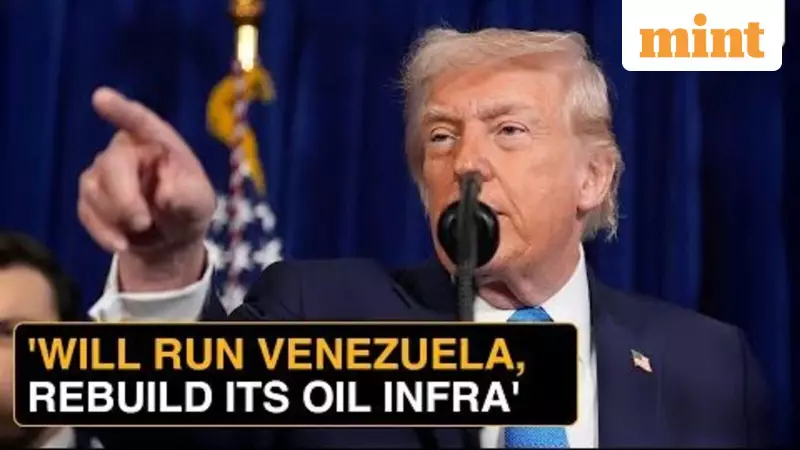
President Trump, in a significant speech, stated that the United States is now positioned to manage Venezuela's affairs. He emphasized that American energy corporations would be brought in to take charge of repairing the nation's crumbling oil infrastructure. The goal is to restore production to previous levels, but this time under strict American supervision and control.
The announcement, made on January 4, 2026, marks a pivotal moment in the long-standing political and economic crisis that has gripped Venezuela. Trump's words, "We will run Venezuela," signal an unprecedented level of direct involvement by a foreign power in the country's sovereignty and its most valuable asset: the world's largest proven oil reserves.

Emergency in Caracas and Criminal Charges in New York
The swift military operation and subsequent proclamation have plunged the Venezuelan capital, Caracas, into a state of emergency. Local authorities are scrambling to implement crisis measures in the face of this external takeover.
Simultaneously, U.S. authorities have confirmed criminal indictments in New York against the top leadership of Venezuela. These legal charges, likely related to drug trafficking, corruption, or human rights abuses, provided a stated justification for the direct action taken by the U.S. military. The detention of Maduro is seen as the first step in a process that the U.S. administration frames as "restoring democracy" but which critics are calling a brazen act of imperialism.
Global Repercussions and a New Chapter
This move is set to send shockwaves through international relations, particularly with nations like Russia and China, which have significant economic and political ties to the Maduro regime. The seizure of oil assets directly impacts global energy markets and geopolitical alliances.
The events of January 4, 2026, fundamentally alter the landscape of the Western Hemisphere. The United States has moved from applying economic sanctions and diplomatic pressure to executing a military intervention that has removed a sitting government. The world now watches to see how Venezuela's institutions and people respond, and whether the promise of restored oil production under American stewardship will bring stability or ignite further conflict.