Trump Withholds Federal Funds from Sanctuary Cities During Immigration Crackdown
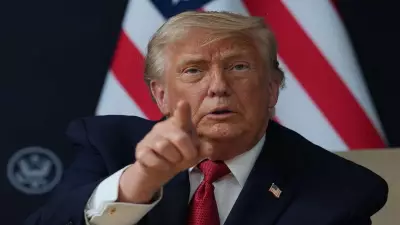
President Donald Trump has declared he will stop all federal payments to states that maintain sanctuary city policies. This announcement comes during an intensified immigration enforcement operation in Minnesota. The move directly targets jurisdictions that limit cooperation with federal deportation efforts.
Funding Cut Takes Effect February 1
Trump made the declaration through a social media post stating clearly: "EFFECTIVE FEBRUARY FIRST, NO MORE PAYMENTS WILL BE MADE BY THE FEDERAL GOVERNMENT TO STATES FOR THEIR CORRUPT CRIMINAL PROTECTION CENTERS KNOWN AS SANCTUARY CITIES." He first mentioned this policy during a January 13 speech at the Detroit Economic Club. The president argued that sanctuary cities encourage fraud and crime while creating numerous problems.
Minnesota Crackdown Escalates
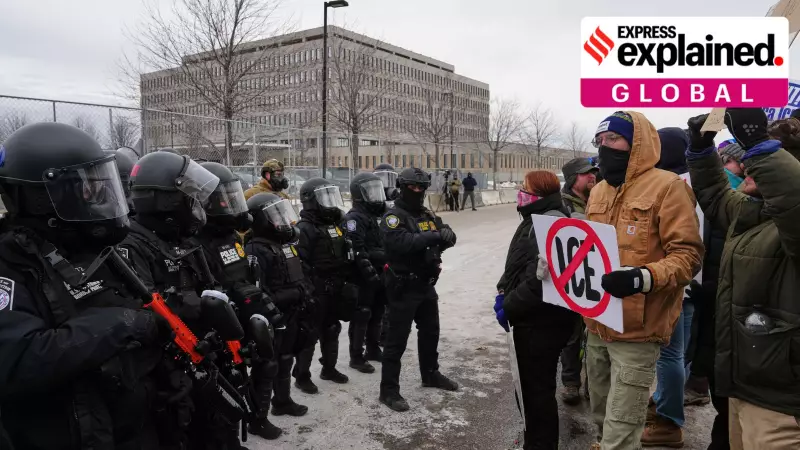
The funding announcement coincides with aggressive immigration enforcement actions in Minnesota. On January 7, Minneapolis resident Renee Good died after an ICE officer shot her while she sat in her car. Following this incident, tensions have risen dramatically throughout the city.

Residents now carry orange whistles and openly express disapproval when armed ICE officers patrol their neighborhoods. The Pentagon has placed 1,500 active-duty soldiers on standby for potential deployment to Minnesota. This military preparation indicates serious concerns about maintaining order.
What Defines Sanctuary Jurisdictions?
Sanctuary cities and states limit how much they cooperate with federal immigration authorities. While no single legal definition exists, these jurisdictions typically restrict assistance with deporting undocumented immigrants. The practice began in the 1970s when Berkeley, California became the first city to pass a sanctuary resolution.
During the 1980s, more local governments adopted sanctuary policies following a large exodus of people fleeing civil war in El Salvador. Immigration has emerged as a major political issue over the past decade, causing sanctuary policies to spread more widely.
The Department of Justice identified thirteen states as sanctuary jurisdictions in August 2025:
- California
- Colorado
- Connecticut
- Delaware
- District of Columbia
- Illinois
- Minnesota
- Nevada
- New York
- Oregon
- Rhode Island
- Vermont
- Washington
Several major cities also received this designation, including New York City, Los Angeles, Chicago, and Minneapolis.
Legal Standing and Safety Impact
Sanctuary cities find protection under the Tenth Amendment of the U.S. Constitution. This amendment addresses powers not specifically given to the federal government or prohibited to the states. The Supreme Court has interpreted this to mean federal authorities cannot command state officials to enforce federal regulatory programs.
Research indicates crime rates often run lower in sanctuary jurisdictions compared to other areas. Local leaders and police chiefs testified before Congress that cooperation with ICE tends to reduce trust between immigrant communities and local law enforcement. However, not working with federal immigration agents does not prevent deportation of immigrants convicted of federal crimes.
Methods of Non-Cooperation
Jurisdictions use various approaches to limit assistance with federal immigration enforcement:

- Detention Policies: Some areas restrict local police from arresting people for immigration violations or holding individuals based on civil immigration warrants.
- 287(g) Agreement Restrictions: Certain jurisdictions prohibit agreements that would allow ICE to deputize local law enforcement for immigration enforcement.
- Detention Facility Bans: Some locations pass laws preventing local governments from contracting with federal authorities to detain immigrants or bar construction of federal detention centers.
- Information Sharing Limits: Communities may forbid local law enforcement from sharing information about undocumented immigrants with federal agencies.
Previous Attempts and Legal Challenges
This represents not Trump's first effort to withhold funding from sanctuary cities. During his initial term in 2018, federal courts blocked an attempt to challenge California's sanctuary law. After returning to office last year, Trump issued executive orders to cut federal funding, but a California-based federal judge struck them down.
The Department of Justice published a list of thirty-six sanctuary cities, states, and counties last August. Most jurisdictions on this list have Democratic-controlled governments. This revised list replaced an earlier version that faced criticism for using vague inclusion criteria.
Broader Immigration and Spending Agenda
The sanctuary city funding cut aligns with larger Trump administration efforts to reduce what they call wasteful spending. These priorities appear in the Project 2025 wishlist that circulated during Trump's 2024 re-election campaign. The administration has already introduced cuts to social security programs including Medicaid and SNAP, the federal food assistance program.
Federal immigration officers recently confronted protesters outside the Bishop Henry Whipple Federal Building in Minneapolis on January 15. These clashes demonstrate ongoing tensions as immigration enforcement intensifies across targeted jurisdictions.