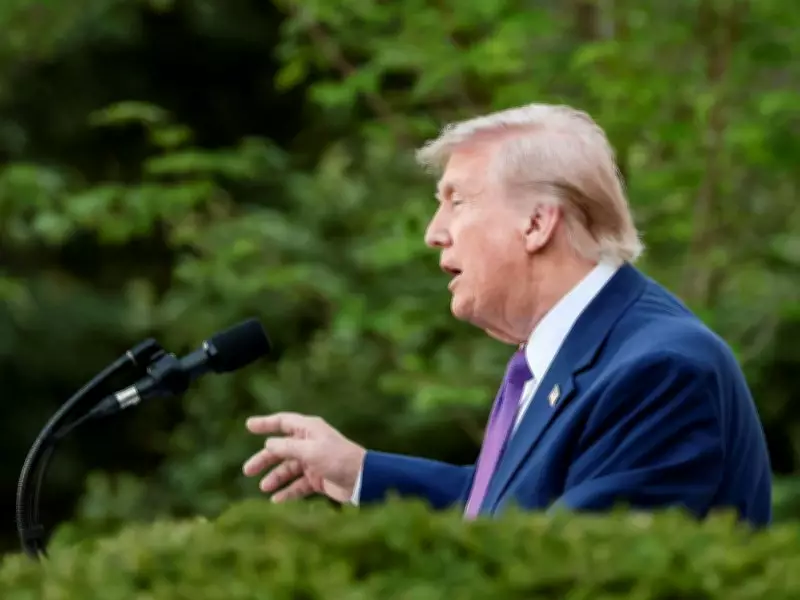
Former US President Donald Trump has claimed that his aggressive tariff threats during his tenure forced several countries to accept deported migrants, leading to a significant reduction in illegal immigration and a sharp fall in fentanyl smuggling. Speaking at a rally in Ohio, Trump reiterated his hardline stance on immigration and trade, asserting that economic pressure was key to securing cooperation from nations reluctant to take back their citizens.
Tariff Threats as a Diplomatic Tool
Trump stated that by threatening to impose steep tariffs on goods from countries like Mexico, Guatemala, and Honduras, his administration successfully compelled them to accept deported individuals. He argued that these measures were more effective than traditional diplomatic channels. According to Trump, the threat of economic penalties created an immediate incentive for these nations to comply, resulting in a smoother deportation process.
Impact on Fentanyl Smuggling
Trump also claimed that the crackdown on illegal immigration directly contributed to a dramatic decrease in fentanyl smuggling across the US-Mexico border. He attributed this to stricter border controls and enhanced cooperation from Mexican authorities, which he said were a direct result of his tariff policies. While official data on fentanyl seizures shows fluctuations, Trump’s assertion aligns with his broader narrative of a successful immigration crackdown.

Reactions and Criticism
Critics, however, argue that Trump’s tariff threats often backfired, straining diplomatic relations and harming American farmers and manufacturers who faced retaliatory tariffs. Some immigration experts also question the direct link between tariffs and reduced fentanyl smuggling, noting that drug trafficking routes are complex and often adapt to enforcement measures. Nonetheless, Trump’s statements continue to resonate with his base, who view his tough approach as necessary for national security.
Broader Implications
The former president’s remarks come as immigration remains a hot-button issue in US politics. President Joe Biden’s administration has faced criticism for its handling of the southern border, with record numbers of migrant encounters. Trump’s claims serve to highlight his contrasting approach, which he argues was more effective. Whether his tariff-based strategy could be replicated remains a topic of debate among policymakers.
In summary, Trump’s assertions underscore his belief in using economic leverage to achieve immigration enforcement goals. While the effectiveness of such tactics is contested, his comments have reignited discussions on the intersection of trade policy and border security.