

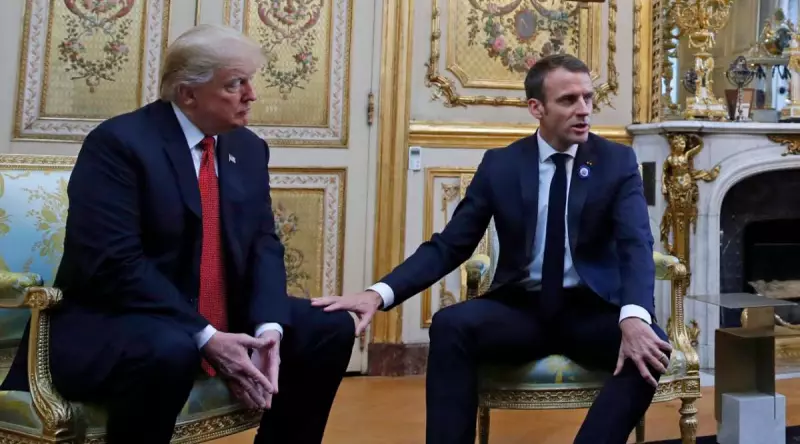
In a fresh display of his unconventional diplomatic style, former US President Donald Trump has publicly mocked French leader Emmanuel Macron. Trump boasted about successfully coercing France into altering its policy by threatening severe tariffs.
The Mocking Remark and Tariff Boast
The incident, which adds to the history of pointed exchanges between the two leaders, saw Trump using a derisive tone. He referred to the French President in a belittling manner while recounting a past confrontation over trade policy. The core of Trump's claim centres on his use of economic pressure as a tool of statecraft.
Trump asserted that he forced Macron to back down by threatening to impose crippling tariffs on French goods. This tactic, a hallmark of his "America First" presidency, was described by him as highly effective in bending the will of a key European ally. The remarks highlight his continued adherence to a transactional and aggressive approach to international relations, even after leaving office.

A History of Public Tensions
The relationship between Donald Trump and Emmanuel Macron has been notoriously rocky, marked by public disagreements despite initial displays of camaraderie. Their differing worldviews on issues like climate change, multilateral alliances, and trade have frequently spilled into the open.
This latest episode, where Trump revisits and celebrates a coercive trade threat, underscores the deep strategic rift that existed. It stands in stark contrast to the diplomatic norms typically observed between leaders of allied nations. The boast is seen as an attempt to reinforce his image as a tough negotiator who prioritises American interests above all else.
Implications for Diplomacy and Trade
Trump's candid recounting of using tariff threats against France has several implications. Firstly, it reveals the lingering impact of his trade wars on transatlantic trust. European allies, including France, remain wary of a potential return to such policies.
Secondly, it sets a confrontational tone for how he might engage with global partners if he returns to power. The approach of using economic measures as a blunt instrument for political leverage challenges the foundations of traditional diplomatic engagement. For nations like India, which also faced trade pressures during Trump's term, such statements are a reminder of the volatile nature of that era's economic diplomacy.
Finally, the public mocking of a sitting allied leader is unusual and complicates efforts for future reconciliation, regardless of who occupies the White House. It points to a personalisation of diplomacy where public humiliation becomes part of the negotiating playbook.
As the world watches the American political landscape, anecdotes like these serve as potent reminders of the starkly different styles of international leadership on offer. The story of Trump versus Macron continues to be a defining saga of modern geopolitical dynamics.






