Advisors and allies of former US President Donald Trump are reportedly advancing ambitious and costly plans for significant renovations to the White House complex, should he win the November 2024 election. The proposals, which are being pitched to wealthy Republican donors, include the construction of a lavish new ballroom and a substantial expansion of the West Wing.
A Grand Vision: The $400 Million Ballroom Proposal
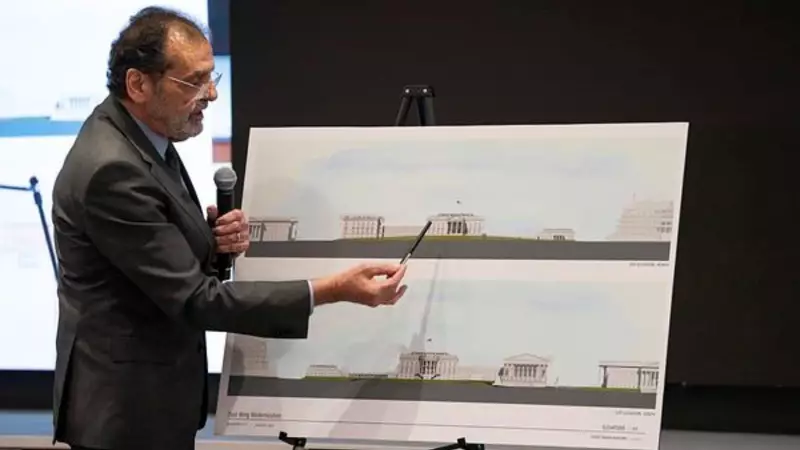
At the heart of these preliminary discussions is a bold plan to build a brand-new ballroom on the White House grounds. The project carries an estimated price tag of a staggering $400 million. Crucially, the funding for this extravagant addition is not intended to come from US taxpayers. Instead, Trump's team is actively seeking to raise the entire sum through private donations from a circle of affluent supporters.
The proposed ballroom is envisioned as a modern, opulent space for hosting large-scale events, fundraisers, and gatherings. Proponents argue that the current state rooms in the White House are insufficient for modern political needs and that a dedicated, large-capacity venue is long overdue. This move is seen as an effort to create a lasting legacy and a premier venue for Republican political and social events for decades to come.

Expanding the Power Center: West Wing Renovations
Parallel to the ballroom idea are serious plans for a major overhaul and expansion of the West Wing. This section of the White House is the nerve center of the American presidency, housing the iconic Oval Office, the Cabinet Room, and the offices of key senior staff like the Chief of Staff and the National Security Advisor.
The proposed expansion aims to address long-standing complaints about the West Wing's cramped and inefficient layout. Ideas being floated include adding more office space, modernizing communication and security infrastructure, and generally creating a more functional and imposing workspace for a potential second Trump administration. While no final cost has been attached publicly to the West Wing project, it is expected to run into hundreds of millions of dollars, potentially bringing the total cost of both ventures to well over half a billion dollars.
Political Implications and Historical Context
These ambitious architectural plans are being formulated even as Trump campaigns vigorously for a return to the presidency. The discussion of such expensive, donor-funded renovations so early in the campaign cycle is unusual and highlights the distinct style of Trump's political operations, which often blend personal legacy, political power, and high-dollar fundraising.
The concept of using private funds for White House renovations is not without precedent but is fraught with ethical and legal complexities. It raises immediate questions about potential influence-peddling, as large donors who fund such a permanent structure could be perceived as expecting special access or favor. Good government groups and ethics watchdogs are likely to scrutinize any such plan heavily, arguing that the seat of the executive branch should remain free from the appearance of being beholden to private financial interests.
Furthermore, any significant physical alteration to the White House complex, a nationally treasured historic building, would require extensive consultations with preservation agencies, including the Committee for the Preservation of the White House, and could face significant public and political backlash.
In essence, these proposals represent more than just blueprints for buildings. They signal a potential second-term agenda focused on transforming the physical and symbolic heart of American executive power, funded by a network of private wealth, setting the stage for major political and ethical debates in 2025 and beyond.