Trump Connects Greenland Threat to Nobel Prize Snub
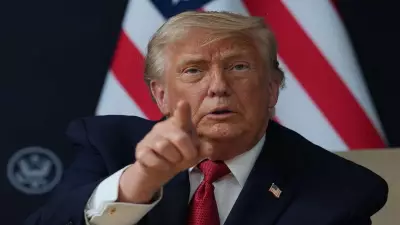
Former United States President Donald Trump has made a surprising link between his past threat to purchase Greenland and a perceived snub from the Nobel Prize committee. In recent remarks, Trump suggested that his aggressive stance on acquiring the autonomous Danish territory was partly motivated by frustration over not receiving the prestigious Nobel Peace Prize.
EU Considers Counter Tariffs in Response
Meanwhile, the European Union is actively exploring options for imposing counter tariffs. This move comes as a direct response to Trump's policies and statements during his presidency, which often targeted EU trade practices. Officials in Brussels are reportedly assessing potential measures to protect European interests and maintain fair trade relations.
The situation highlights ongoing tensions in international diplomacy and trade. Trump's comments about Greenland, made during his time in office, sparked significant controversy and strained relations with Denmark. His latest revelation adds a personal dimension to the geopolitical maneuver, tying it to his aspirations for global recognition.

On the economic front, the EU's consideration of counter tariffs underscores the complex interplay between political rhetoric and real-world trade policies. European leaders are keen to assert their autonomy and respond firmly to what they view as unfair trade pressures from the United States.
This development comes at a time when global trade dynamics are already under scrutiny. The potential for retaliatory measures could have broader implications for transatlantic relations and international commerce. Observers are closely watching how both sides navigate these delicate issues in the coming months.
Trump's candid remarks provide a rare glimpse into the personal motivations behind high-stakes diplomatic decisions. They also reflect his unorthodox approach to foreign policy, which often blended personal grievance with statecraft. The Nobel committee has not commented on his claims, maintaining its tradition of discretion regarding nomination processes.
For the European Union, the focus remains on crafting a strategic response that balances economic interests with diplomatic finesse. The prospect of new tariffs signals a readiness to defend European markets while seeking to de-escalate tensions through measured actions.