

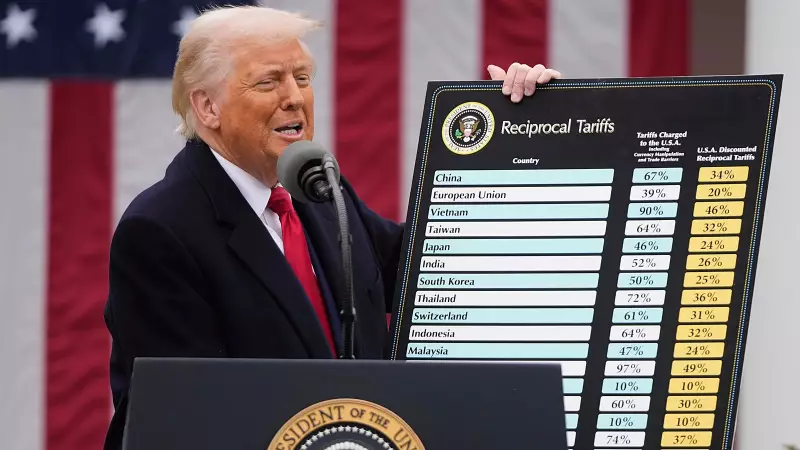
Former United States President Donald Trump has indicated a potential shift in his stance towards South Korea, stating that he will "work something out" with the Asian nation following recent tariff threats. This development comes amid ongoing trade tensions and diplomatic discussions between the two countries, reflecting the complex dynamics of international relations.
Background on the Tariff Threat
Trump, known for his "America First" policies during his presidency, had previously raised concerns about trade imbalances with South Korea. The tariff threat was part of a broader strategy to address what he perceived as unfair trade practices, potentially impacting key industries such as automotive and electronics. South Korea, a major ally in the region, has been a significant trading partner for the US, making this issue particularly sensitive.
Implications for Bilateral Relations
The statement to work something out suggests a possible de-escalation in tensions, which could have far-reaching effects. Experts note that such negotiations might involve:

- Revised trade agreements to boost US exports
- Collaborative efforts on economic and security matters
- Enhanced diplomatic dialogues to prevent further conflicts
This move is seen as crucial for maintaining stability in the Asia-Pacific region, where South Korea plays a pivotal role in countering regional challenges.
Global Economic Context
Trump's comments come at a time when global trade is facing uncertainties due to geopolitical shifts and economic pressures. The potential resolution with South Korea could set a precedent for how the US handles similar disputes with other nations. It underscores the importance of strategic partnerships in navigating complex international landscapes, where tariffs and trade barriers often serve as tools for negotiation rather than outright confrontation.
Future Outlook
As discussions progress, stakeholders will be closely monitoring the outcomes. A successful agreement could lead to:
- Strengthened economic ties between the US and South Korea
- Reduced risks of trade wars affecting global markets
- Improved cooperation on issues like technology and defense
Overall, Trump's willingness to engage in dialogue highlights the evolving nature of US foreign policy under his influence, with potential impacts on international trade norms and alliances.






