Trump Reignites Greenland Debate with Bold Claim
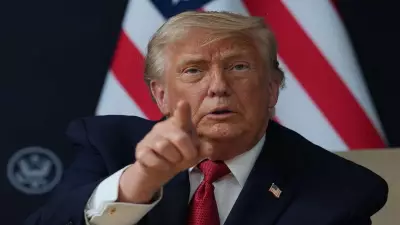
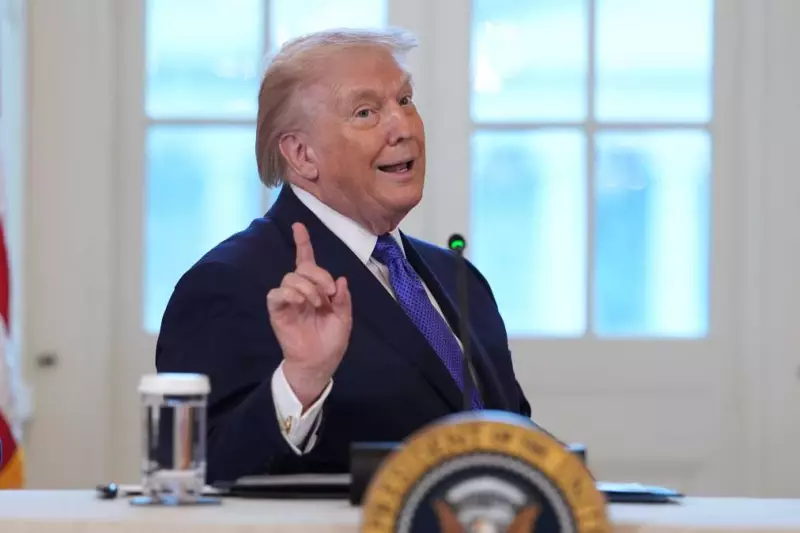
Former United States President Donald Trump has stirred international attention with a provocative statement about Greenland. He declared it "unacceptable" for the vast Arctic island not to be in American hands. This remark revives a contentious issue from his presidency when he expressed interest in purchasing Greenland.
A History of Territorial Interest
Trump's latest comment is not his first foray into Greenland's sovereignty. During his time in office, he publicly floated the idea of buying Greenland from Denmark. The proposal was swiftly rejected by Danish officials, who called it "absurd." Now, Trump's renewed focus on the territory highlights his persistent geopolitical ambitions.
Greenland is an autonomous territory within the Kingdom of Denmark. It holds strategic importance due to its location in the Arctic. The region is rich in natural resources like minerals and rare earth elements. Control over Greenland could offer significant military and economic advantages.

Reactions and Implications
Trump's statement has drawn sharp reactions from various quarters. Critics argue it undermines Greenland's self-determination and international norms. Supporters view it as a strong stance on American interests. The comment comes amid ongoing global discussions about Arctic sovereignty and climate change impacts in the region.
Greenland's response has been firm. Local leaders have consistently asserted their commitment to remaining part of Denmark. They emphasize their right to autonomy and reject any external claims. This stance is backed by Denmark, which maintains Greenland is not for sale.
Why Greenland Matters
- Strategic Location: Greenland's position in the Arctic makes it crucial for navigation and defense.
- Resource Wealth: The island possesses untapped reserves of oil, gas, and minerals.
- Climate Significance: Melting ice in Greenland affects global sea levels, drawing scientific and environmental focus.
Trump's remarks could influence future US foreign policy, especially if he returns to power. They also highlight broader tensions over territorial control in the Arctic. Other nations, including Russia and China, are increasing their presence in the region, making it a hotspot for geopolitical competition.
In summary, Donald Trump's claim that Greenland should be under US control has reignited a complex debate. It touches on issues of sovereignty, resources, and global power dynamics. The world watches as this story develops, with potential implications for international relations and Arctic governance.