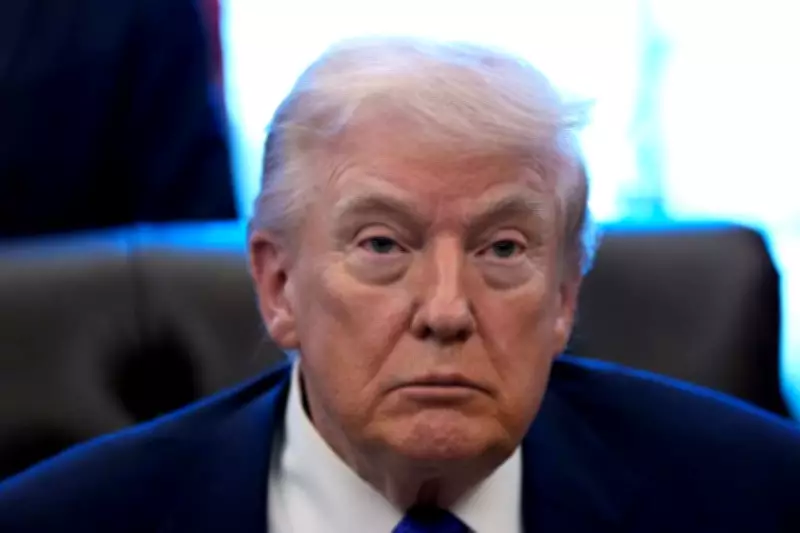
In a significant development highlighting the persistent political impasse in Washington, former President Donald Trump has publicly urged the House of Representatives to vote quickly to end the ongoing government shutdown. This call comes amidst a backdrop of deep-seated partisan divisions that have stalled legislative progress, leaving critical federal operations in limbo and affecting millions of Americans.
Trump's Urgent Appeal for Swift Action
Donald Trump, a key figure in the Republican Party, made a direct appeal to lawmakers, emphasizing the need for immediate action to resolve the shutdown. He argued that a prompt vote in the House is essential to restore government functionality and mitigate the adverse impacts on public services and the economy. Trump's statement underscores his continued influence in political discourse, even after his presidency, as he seeks to steer the narrative on fiscal matters.
Political Gridlock: Neither Side Ready to Compromise
Despite Trump's urging, the political landscape remains fraught with challenges. Neither Republicans nor Democrats appear ready to move forward with a vote, reflecting a broader deadlock over budgetary issues and policy priorities. Republicans, while aligned with Trump on many fronts, are grappling with internal divisions and strategic considerations that hinder swift action. On the other hand, Democrats are holding firm on their demands, unwilling to concede without significant concessions, which has led to a stalemate.

This impasse is not new; it echoes previous shutdowns where partisan brinkmanship has overshadowed governance. The current situation highlights the deep ideological rifts that define American politics today, with both parties entrenched in their positions. As a result, the prospect of a quick resolution seems increasingly unlikely, prolonging the uncertainty for federal employees and citizens reliant on government services.
Implications of the Prolonged Shutdown
The government shutdown, if not resolved swiftly, could have far-reaching consequences. Key agencies may face operational disruptions, affecting everything from national security to social welfare programs. Economists warn that prolonged shutdowns can dampen economic growth, erode public trust, and strain local communities that depend on federal funding. Trump's call for a vote is seen by some as an attempt to avert these negative outcomes, but without bipartisan cooperation, his appeal may fall on deaf ears.
Moreover, the shutdown has become a focal point in the broader political debate, with both parties using it to rally their bases and score political points. This dynamic complicates efforts to find a middle ground, as compromise is often viewed as a sign of weakness in today's polarized environment. Observers note that until there is a shift in political will or external pressure, the deadlock is likely to persist.
Looking Ahead: Potential Paths to Resolution
While the immediate outlook remains bleak, there are potential paths to end the shutdown. These could include back-channel negotiations, public pressure campaigns, or last-minute legislative maneuvers. However, with neither Republicans nor Democrats showing readiness to budge, any resolution will require significant concessions from both sides. Trump's role in this process is crucial, as his endorsement could sway Republican lawmakers, but his influence may be limited by the broader political calculus.
In conclusion, Donald Trump's urging for a quick House vote to end the government shutdown highlights the urgent need for action, yet the political reality suggests a protracted struggle ahead. As the shutdown continues, its impacts will become more pronounced, underscoring the need for bipartisan collaboration in governance. For now, the ball remains in the court of lawmakers, who must navigate this complex landscape to restore normalcy.