Trump Alleges US Gun Shipments to Iranian Protestors, Points to Kurdish Retention
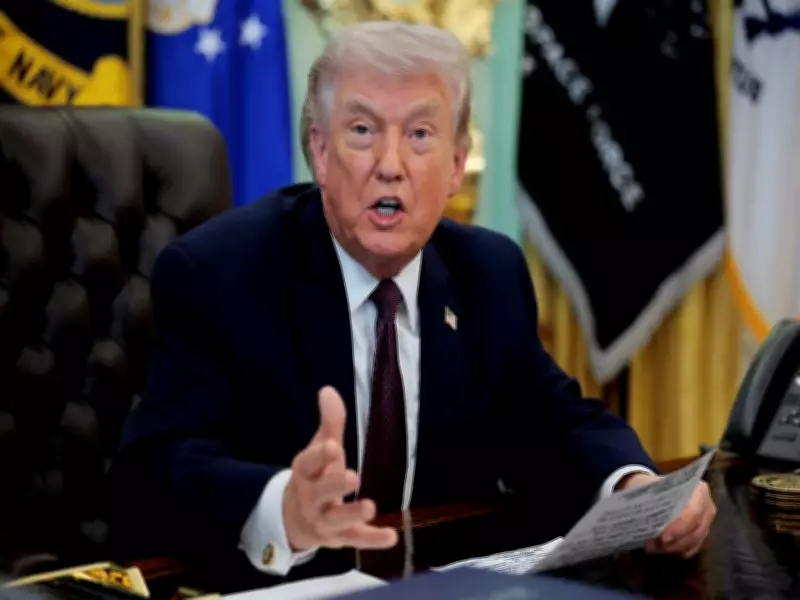
In a recent statement that has stirred international attention, former United States President Donald Trump has made a bold claim regarding the ongoing anti-regime demonstrations in Iran. According to Trump, the US government sent guns to Iranian protestors, but he speculates that Kurdish groups likely kept the weapons instead of distributing them. This assertion adds a new layer of complexity to the already tense situation in Iran, where widespread protests have been challenging the regime's authority.
Details of Trump's Claim on US Involvement
Trump's comments, which emerged in a public forum, suggest that during his administration or possibly in a broader context, the US engaged in covert operations to support Iranian dissidents by supplying firearms. He did not provide specific dates or evidence to back up this claim, leaving many analysts and officials to question the veracity of his statements. However, Trump emphasized that the intention was to aid protestors in their struggle against the Iranian government, which has faced criticism for human rights abuses and political repression.
The former president further elaborated that the guns might not have reached the intended recipients. He pointed to Kurdish factions operating in the region as potential beneficiaries, implying that these groups could have intercepted or retained the weapons for their own purposes. This angle highlights the intricate web of alliances and conflicts in the Middle East, where various non-state actors often play significant roles in regional dynamics.

Context of Iran's Anti-Regime Demonstrations
Iran has been witnessing a surge in anti-regime protests in recent years, driven by economic hardships, political discontent, and social issues. Demonstrators have taken to the streets to demand greater freedoms, accountability from leaders, and reforms to the country's governance structure. The Iranian government has responded with crackdowns, including arrests and violence, leading to international condemnation and calls for restraint.
Trump's claim intersects with these events by suggesting external support for the protestors, which could escalate tensions between Iran and the US. Historically, the US has imposed sanctions and pursued diplomatic measures against Iran, but direct military aid to protestors would mark a significant shift in policy. Experts note that such actions could be seen as interference in Iran's internal affairs, potentially fueling further instability in the region.
Reactions and Implications of the Allegations
The response to Trump's statement has been mixed, with some supporters viewing it as a testament to his administration's efforts to promote democracy abroad, while critics question its accuracy and timing. Iranian officials have not publicly commented on this specific claim, but they have previously accused foreign powers, including the US, of inciting unrest in the country. Kurdish groups, often involved in regional conflicts and seeking greater autonomy, have also not issued statements regarding these allegations.
If true, this revelation could have profound implications:
- Diplomatic Relations: It might strain US-Iran relations further, complicating ongoing negotiations or efforts to de-escalate conflicts.
- Regional Security: The involvement of Kurdish groups could affect stability in areas like Iraq and Syria, where they are active.
- Protest Dynamics: It could influence the morale and strategies of Iranian protestors, either by emboldening them or raising concerns about external manipulation.
As the situation unfolds, observers are closely monitoring developments to assess the impact of these claims on the broader geopolitical landscape. The lack of concrete evidence from Trump means that this remains a contentious issue, likely to spark debates among policymakers and analysts worldwide.