Trump Reiterates Stance on Iran's Nuclear Ambitions After Ceasefire Talks Collapse
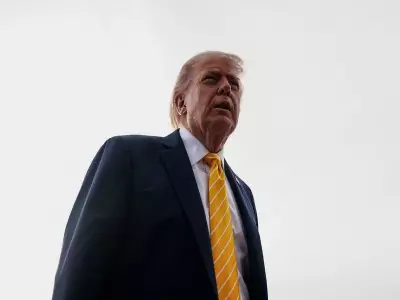
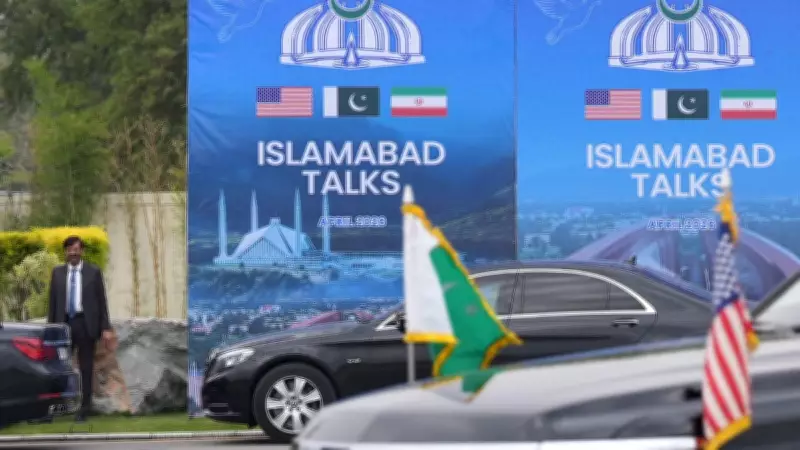
Former United States President Donald Trump has made a firm declaration that Iran will not be allowed to develop or acquire nuclear weapons. This statement comes in the wake of failed ceasefire negotiations between the US and Iran, which took place recently. The talks, aimed at de-escalating tensions in the Middle East, ended without a resolution, prompting Trump to publicly reaffirm his administration's longstanding policy on Iran's nuclear program.
Background of the Failed Ceasefire Negotiations
The ceasefire talks between the US and Iran were initiated as part of broader diplomatic efforts to address ongoing conflicts and security concerns in the region. However, sources indicate that the discussions broke down due to fundamental disagreements over key issues, including Iran's nuclear activities and regional influence. The failure of these talks has heightened fears of renewed hostilities and instability in an already volatile area.
Trump's statement was delivered during a press briefing where he emphasized that preventing Iran from obtaining nuclear capabilities remains a top priority for US foreign policy. He cited previous actions taken during his presidency, such as withdrawing from the Iran nuclear deal and imposing stringent sanctions, as evidence of his commitment to this goal.

Implications for US-Iran Relations and Global Security
The collapse of the ceasefire talks and Trump's subsequent remarks signal a potential hardening of positions between the two nations. Analysts suggest that this could lead to increased military posturing and further economic pressures on Iran. The international community is closely monitoring the situation, as any escalation could have far-reaching consequences for global energy markets and security dynamics.
Key points from the developments include:
- Iran's persistent denial of seeking nuclear weapons, despite international suspicions.
- The US's unwavering stance under Trump's leadership to counter any nuclear proliferation by Iran.
- The broader impact on Middle East peace efforts and diplomatic relations with allied nations.
As tensions simmer, experts warn that the lack of a diplomatic breakthrough could push both sides toward more confrontational actions. The situation underscores the complex challenges in managing nuclear non-proliferation and regional stability in today's geopolitical landscape.