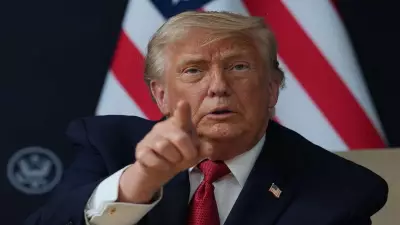
Trump Proposes $1 Billion Membership Fee for Nations on His Peace Board
A recent report has unveiled a controversial proposal from former US President Donald Trump. According to the information, Trump wants nations to pay a substantial fee to participate in a new international peace initiative.
The Billion Dollar Requirement
The most striking aspect of this proposal involves financial contributions. Trump reportedly expects participating countries to pay one billion US dollars each. This payment would secure their position on what he calls his peace board.
This requirement represents a significant departure from traditional international cooperation models. Typically, such initiatives rely on voluntary contributions or predetermined funding formulas based on economic size.

Leadership Structure and Terms
The proposed board would feature Donald Trump in a prominent leadership role. He would serve as the inaugural chairman of this new organization. This position would give him considerable influence over the board's direction and decisions.
Member states would commit to specific terms of service. Each participating nation would serve for a maximum period of three years. This term would begin when the organization's charter officially takes effect.
The three-year limitation creates a rotating membership structure. It prevents any single country from maintaining permanent representation without renewal.
Potential Implications and Reactions
This proposal raises numerous questions about international diplomacy. The billion-dollar fee could limit participation to wealthier nations. Smaller or developing countries might find this financial barrier impossible to overcome.
Critics might argue that such a requirement commercializes peace efforts. They could suggest that peace initiatives should remain accessible to all nations regardless of economic status.
Supporters might counter that substantial financial commitments ensure serious participation. They could argue that nations making such investments would work harder for successful outcomes.
The report comes from Reuters and carries a publication date of January 18, 2026. This timing places the proposal in a future context, though the details remain relevant to current discussions about international relations.
Trump's return to political prominence makes this proposal particularly noteworthy. His previous presidency featured unconventional approaches to foreign policy. This peace board concept continues that pattern of breaking with established diplomatic norms.
International observers will watch closely for reactions from world leaders. Many nations will need to consider whether this proposal aligns with their foreign policy objectives. The financial commitment alone requires careful consideration of national budgets and priorities.
As details emerge, the global community will debate the merits of this approach. The conversation will likely touch on fundamental questions about how nations collaborate for peace. It will also examine the appropriate role of financial contributions in such efforts.