Trump Issues Stark Tariff Warning to China Over Iran Arms Deal
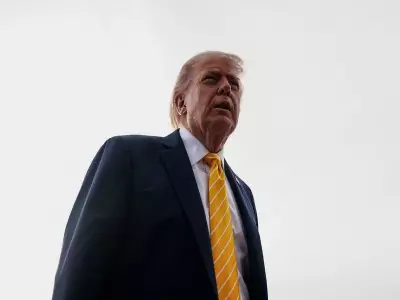
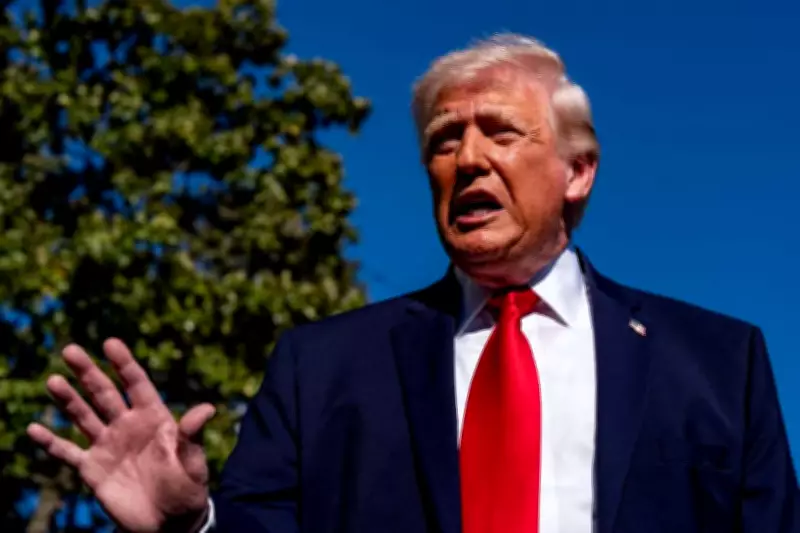
In a significant escalation of geopolitical tensions, former United States President Donald Trump has publicly warned China against providing arms to Iran, threatening to impose a hefty 50% tariff on Chinese goods if such a move occurs. This statement, made in April 2026, underscores the volatile nature of international relations and the potential for economic measures to be used as tools of foreign policy.
The Core of the Threat: A 50% Tariff on Chinese Imports
The warning centers on a specific economic penalty: a 50% tariff on goods imported from China. Trump, known for his aggressive trade policies during his presidency, has reiterated this stance as a deterrent against Chinese military support for Iran. This threat comes amid ongoing conflicts in the Middle East, where Iran's role is a focal point of global concern. The proposed tariff is intended to pressure Beijing to reconsider any arms transfers, highlighting how trade and security issues are increasingly intertwined in modern diplomacy.
Context: Rising Tensions in Global Conflicts
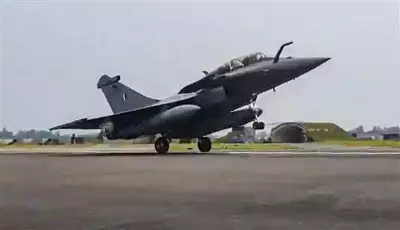
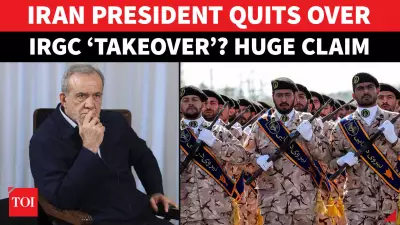
This development occurs against a backdrop of heightened international strife. Iran's activities in regional conflicts have drawn scrutiny from Western nations, including the United States. China, as a major global power with expanding military and economic influence, has complex relationships with both Iran and the US. Trump's warning signals a potential flashpoint that could exacerbate existing tensions, affecting not only bilateral relations but also global trade dynamics and security stability.

The threat of a 50% tariff carries profound implications. Economically, it could disrupt supply chains and increase costs for consumers and businesses worldwide, given China's role as a key trading partner. Diplomatically, it represents a hardline approach that may strain US-China relations further, potentially leading to retaliatory measures. This move aligns with Trump's historical use of tariffs as leverage, but its scale and specificity mark a new level of economic coercion in response to security concerns.
Global Reactions and Future ScenariosWhile official responses from China and Iran are pending, analysts predict that Beijing will likely condemn the threat as interference in its sovereign decisions. The situation raises questions about the effectiveness of such tariffs in deterring arms sales and the broader impact on conflict resolution. Observers note that this could set a precedent for using trade policies to address security issues, influencing how nations navigate similar challenges in the future.
In summary, Trump's warning to China over potential arms to Iran with a 50% tariff threat highlights the growing intersection of economic and military strategies in global affairs. As tensions simmer, the world watches closely to see how this bold move will shape international relations and trade in the coming months.